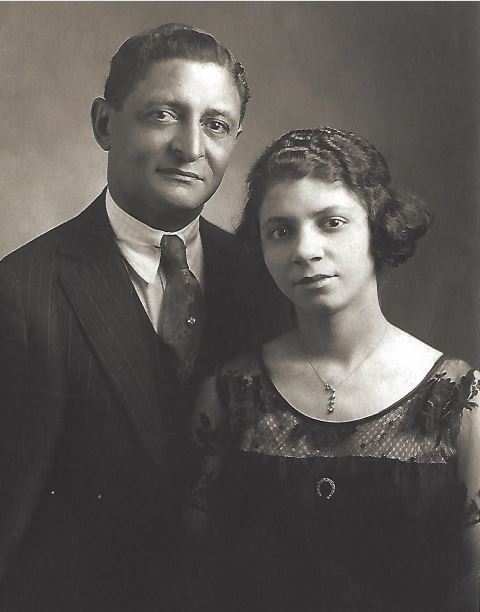
Ten speakers came forward to comment on the ongoing litigation between the City of Piedmont and a member of the Dearing family during public forum at the Oct. 19 Piedmont City Council meeting. The Ackerman vs. City of Piedmont lawsuit, in which a descendant of Sidney Dearing, Piedmont’s first Black resident, is seeking damages for the city’s 1925 role in terrorizing the Dearing family and driving them out of their home, is currently being reviewed by an Alameda County Superior Judge who is considering the city’s motion to dismiss the case.
The lawsuit, which has begun attracting significant local and national media attention, has also generated grass roots activism, most notably in the creation of a new organization called Justice for the Dearing Family, a coalition of Piedmonters who began meeting in September with the purpose of raising public consciousness about the case. Separately, a fundraiser set up by a Piedmont resident seeks to “raise between $100 and $500 from at least 5,000 residents of Piedmont to support Sidney and Irene Dearing’s descendants and to turn recognition of this history into meaningful repair.”
The first speaker in City Council chambers Monday night was attorney Don Tamaki, who thanked council members for the city’s work so far in recognizing the Dearings. But, he added, “We need to do more.” Tamaki, who previously served on the state of California’s Reparations Task Force, added: “we ask that negotiations begin to resolve the Dearing litigation in a way that is satisfactory to the city, to the plaintiffs, and to the Piedmont community as a whole. And yes, that should include meaningful financial atonement.”
Nine other speakers came to the microphone after Tamaki to endorse a variety of additional steps, including:
- Re-naming a street in Piedmont that would honor the Dearings
- Abandoning the memorial sculpture commissioned for Triangle Park and instead allocating the money to the Dearing family
- Adding modules for Piedmont K-12 classrooms that would educate students about the city’s history in relation to the Dearings
- Restitution and formal conversations within the community as a way of clearing Piedmont’s name
- Creating an official task force within the City Council that would oversee and lead reparative efforts on behalf of the city
Piedmont Mayor Betsy Smegal Andersen ended the public forum by saying: “What we can say is that what happened to Sidney and Irene Dearing one hundred years ago was abhorrent. It is a shameful chapter that does not reflect the values of Piedmont today.”
The Mayor also expressed strong support for the Dearing memorial as a way to “insure that the Dearing family’s experience is never forgotten.”
The city said on Tuesday that it was continuing to work through technical designs with the Hood Design Group and expects to install the memorial this fiscal year. (An earlier assessment had the project finished by the end of 2026.)
City Council candidates share their views on the Dearing case
The Exedra asked City Council candidates to share their views on the Dearing memorial as part of the Exedra’s candidate questionnaire earlier this month.
Here is a summary of how they responded:
Nancy Beninati: I believe that a memorial acknowledging what happened is important. It allows our community to recognize a painful part of Piedmont’s history rather than allowing it to be forgotten. I see the memorial as a starting point for more conversations and education around the broader issues of race and inequality.
Adam Hundt: I appreciate the work to conceptualize and design the memorial, but I am not sure it is the best or only appropriate measure. I think the Council should talk directly to the Dearing family about their views. Another idea to consider would be to set up a scholarship fund to help with college tuition for Piedmont students from lower income and minority backgrounds.
Tom Ramsey: Artist and landscape architect Walter Hood’s design for the Dearing Portal is an important and very meaningful step, but honoring our shared history is an ongoing effort. Real progress means continuing to build an inclusive community, staying open to ongoing dialogue, and making sure our town is welcoming to everyone.
Bill Reichle: From my perspective, that is the whole point of the memorial. Not to dwell on the past, but to share its story to convey how far we’ve come since then and how we refuse to go back. In addition to the memorial, which has been developed with consultation of Dearing family descendants, the City has issued an apology to the Dearing family, and has made strides in addressing explicit and implicit bias through audits of its city communications, changing language to be more inclusive; and by requiring bias training for all police department personnel and other city employees.