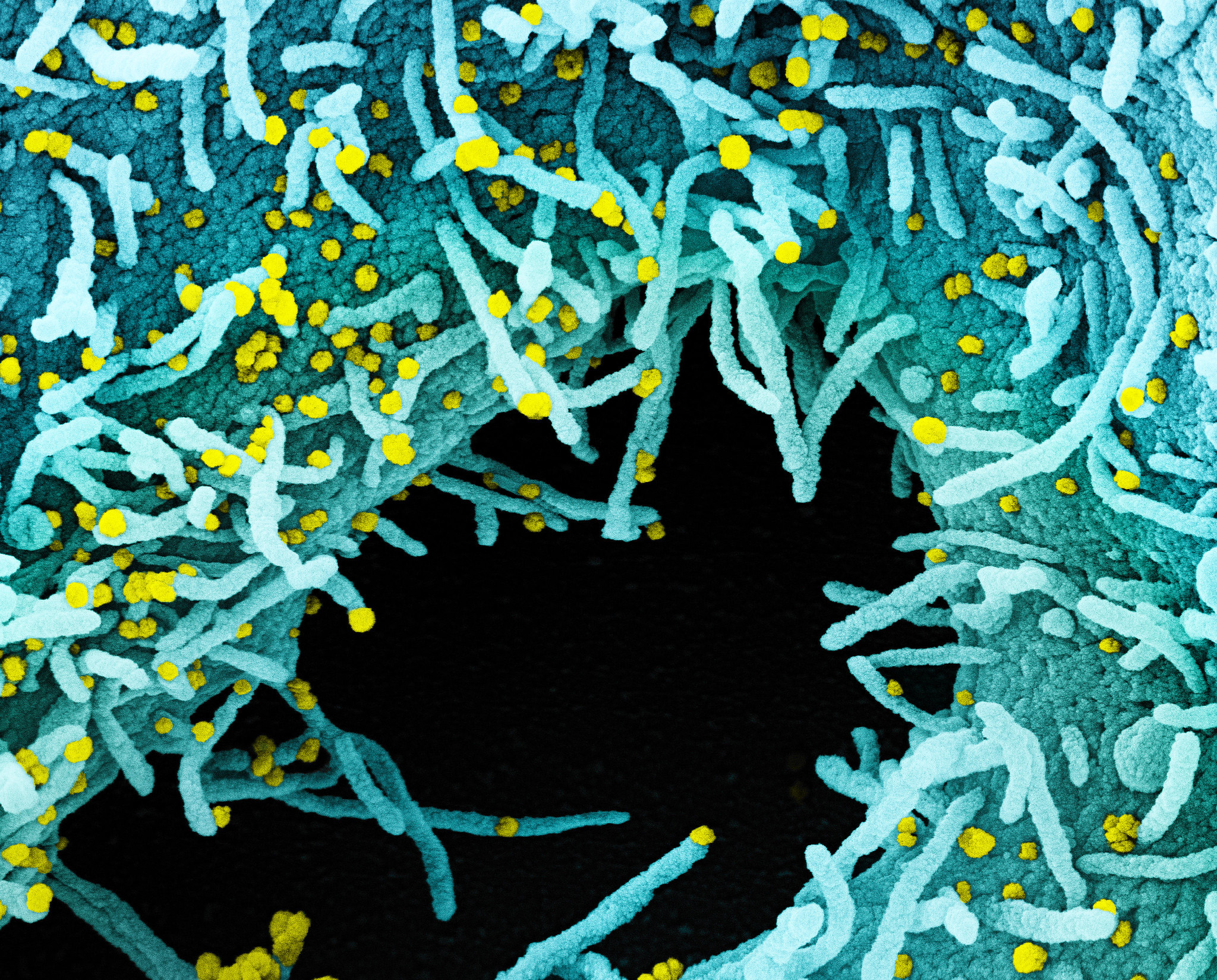
Coughing, sneezing and body aches are familiar symptoms of COVID-19. Now, researchers at UC Berkeley have uncovered another way the virus triggers these reactions: by directly activating the body’s sensory nerves.
The findings, published Friday in the journal Neuron, show that proteins produced by SARS-CoV-2 can stimulate sensory nerves involved in pain and other physical responses, triggering symptoms such as sneezing, coughing and airway inflammation.
The discovery challenges the prevailing view that these symptoms are mainly caused by inflammatory signals released by infected cells and the immune system.
Diana Bautista, a UC Berkeley professor of molecular and cell biology who led the research, said in a statement released by the university that the findings could help scientists develop treatments for symptoms of COVID-19 and possibly some conditions linked to long COVID.
Graduate student Sonali Mali was the first author of the study, while other researchers from UC Berkeley and New York University also contributed to the study, which was funded by the National Institutes of Health and the Howard Hughes Medical Institute.
What is PLPRO?
The researchers identified a viral protein called papain-like protease, or PLpro, that activates a receptor on sensory nerves known as TRPA1. The same receptor responds to irritating chemicals found in wasabi and garlic, researchers said. When the virus infects cells and those cells die, viral proteins can be released into the body.
The researchers said they found that PLpro can then activate sensory nerves in the airways, triggering pain and respiratory responses.
In experiments, the team applied purified PLpro to the noses of mice. The protein triggered as many as 30 sneezes per minute, while water alone produced only an occasional sneeze.
Researchers also found that another coronavirus protein, called Mpro, directly activated sensory nerves, although it produced different reactions.
The findings could open new possibilities for treating COVID-19 symptoms. The antiviral drug Paxlovid targets Mpro to prevent the virus from multiplying. Bautista said drugs that target PLpro could potentially offer additional benefits by reducing symptoms such as coughing.
Several PLpro-targeting drugs have been developed since the pandemic began, but none has been approved for COVID-19 treatment.
Understanding the symptoms
The study may also help scientists better understand some symptoms associated with long COVID, including persistent cough, headaches, shortness of breath, sore throat and chest pain. However, further research is needed to determine whether direct nerve activation contributes to these lasting conditions.
The researchers said viruses may trigger symptoms through different pathways involving both the nervous and immune systems. Their findings also raise questions about whether coughing and sneezing primarily help the body expel viruses or help infections spread to others.
Bautista said the reactions may serve both purposes.
“Who is it helping?” she said. “Maybe it’s a little bit of both in the end. If it’s early enough, then it’s beneficial to get out as much of that virus as possible before it can infect other cells. So it’s good having these symptoms early on to sneeze out mucus containing the virus.”