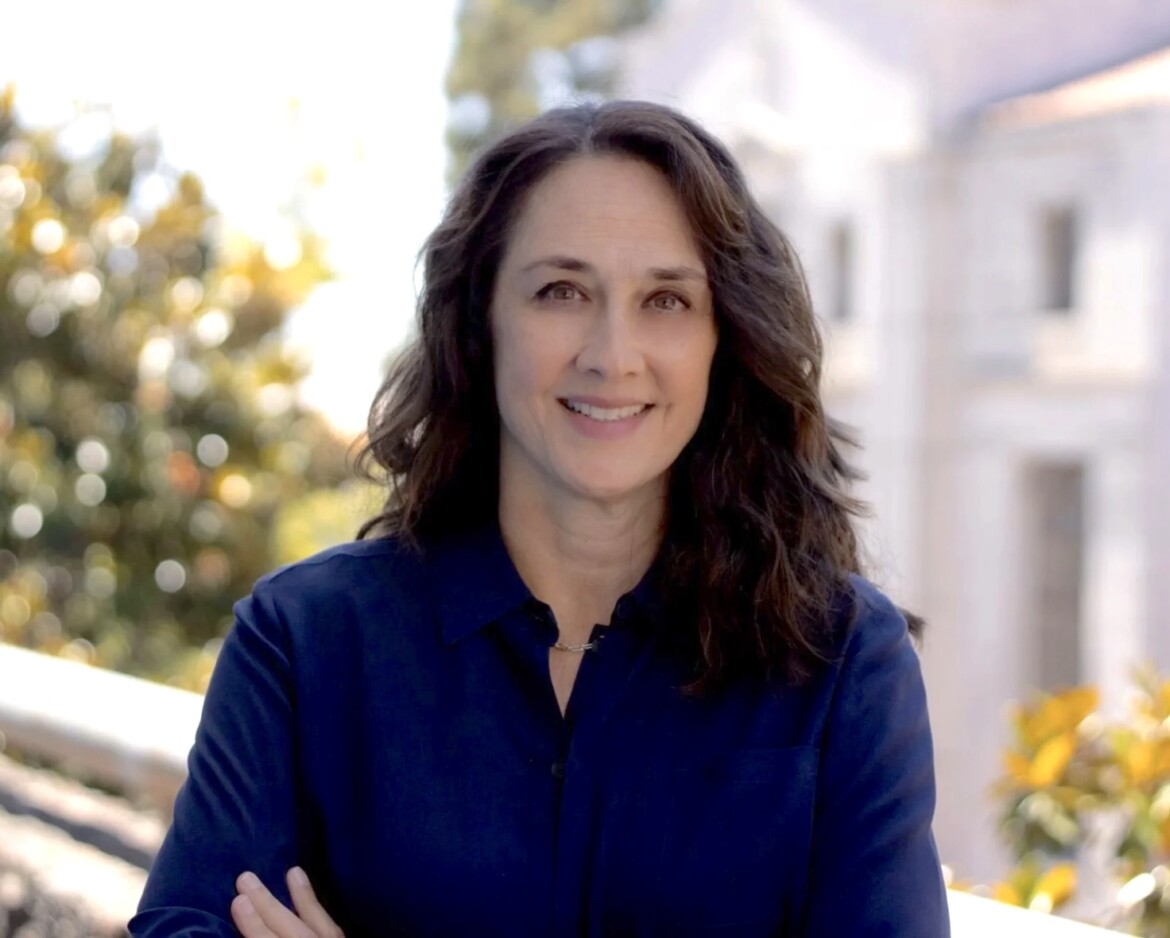
How long have you lived in Piedmont?
My husband Bruce Carter and I have lived in Piedmont for 20 years. We love the sense of community here and the connections we’ve made. Piedmont is a special place and we’re fortunate to call it home.
What do you do for work, either in or out of your home?
I am a Supervising Deputy Attorney General working in civil rights at the California Department of Justice (DOJ) where I have worked for 27 years. I also teach law and public policy at the Goldman School of Public Policy at U.C. Berkeley where I have worked for four years. I have twin boys, William and Zachary, who are juniors at Piedmont High School, so I am also a busy mom.
Have you worked or volunteered in the Piedmont community (or elsewhere) previously? If so, in what capacity(ies)?
I am currently on the Piedmont Recreation Commission and served as Chair of Piedmont Civil Service Commission for six years. In 2013, I received a City Council Proclamation for my community service to Piedmont.
I have served two terms as the President of the League of Women Voters Piedmont (LWVP), and eight years in other leadership roles for the League. I often served as the moderator at LVWP voter forums.
I was a member of the East Bay Agency for Children (EBAC) Auxiliary for five years, where each year we raised money to help improve the lives of children and families facing trauma, poverty, and social inequality. I still support this organization.
With twin boys who are now juniors in high school, over the years I’ve volunteered in our classrooms, coached youth sports, pitched in with the robotics team, and enjoyed watching our kids grow up together. Lately, my children have been doing community service work with the Piedmont Community Service Crew, and I join them when I can.
What motivated you to run for office?
I love our community and public service, so serving on the City Council brings those two interests together nicely. Much of my work at the DOJ has focused on investigations and reform, with an eye toward ensuring that cities and counties not only follow the law but, where warranted, implement best practices to better serve their communities.
Naturally, I want the place I call home to be recognized as an example of what a well-run, thriving City can look like. Living here for 20 years has given me the opportunity to really get to know my neighbors and understand the issues facing our community. I would like to put my experience in government accountability and community engagement to work for Piedmont.
I have always enjoyed helping others and being involved in my community. Serving on the City Council will be challenging work, but it is something I know I will enjoy.
What are your qualifications to be on the City Council? Any special skills or experience the voters should know about?
My professional experience has prepared me to take on the complex and often difficult decisions that come with serving on the City Council. I have spent my career analyzing complicated issues, understanding statutes and regulations, conducting investigations and litigating, managing and implementing state laws, identifying risks, and making decisions. I have briefed and advised Attorneys General Harris, Becerra, and Bonta on important legal and policy matters. And I have learned how to work with people who have very different perspectives, negotiate toward practical solutions, and explain complicated issues so that others can understand and weigh in.
As a supervisor, I have managed budgets and resources, supervised employees, assigned and balanced workloads, and navigated competing priorities and deadlines. I have also been responsible for hiring, employee development, performance issues, discipline, and other personnel matters. That experience has taught me the importance of setting clear expectations, communicating well, making difficult decisions when necessary, and being accountable for the results.
I know City government is different from the DOJ, but the fundamentals of managing public resources, working with people, setting priorities, and getting things done are very much the same. I would bring those experiences to the Council.
What do you see as the most challenging issues currently facing the city?
Long-term planning will be critical to preserving the services, parks, and City facilities that are important to the Piedmont community for future generations. With the rising cost of goods and services, we will have to make tough decisions about how best to invest our limited resources. We need a comprehensive strategy that looks at the City as a whole and avoids piecemeal decisions that may save money in the short term but cost more in the long run.
Recent examples of taking a longer-term approach are the City swimming pool and Havens Elementary. Rather than continuing to patch or upgrade facilities that were reaching the end of their useful lives, our community leaders made the difficult decision to rebuild them. The result has been modern, sustainable, energy-efficient facilities that should serve our community for decades to come.
These projects demonstrate something I value about Piedmont: when we take on big challenges, our community is willing to be part of the solution. We should continue to draw on that willingness as we make hard choices about the City’s future.
What do you see as strengths of the Piedmont community?
Piedmont’s greatest strength is the community itself. We are a City of volunteers who care deeply about where we live. People appreciate our City employees, services, recreation programs, parks, and excellent schools, and they are willing to contribute their time and resources to help make those things better.
One of the things I value most is the way people show up for the community. Whether it is volunteering in a classroom, coaching a team, or supporting a local organization, there are so many people who are willing to pitch in.
Piedmont also has a strong tradition of civic engagement. People care about what happens here and are not afraid to speak up when they have concerns or ideas. I admire this engagement because it means people are invested in the community and want to help shape our future. We have a lot to be proud of in Piedmont, and I think our biggest asset is that people genuinely care about preserving and improving the community for generations to come.
What will be your top priority if elected?
My top priority if elected will be to be responsive to, and transparent with, the community. Throughout my campaign, I have met and spoken with many people who have shared their thoughts, concerns, and ideas about our city government, and I have taken those conversations to heart.
I am someone who likes to get things done. When someone raises a concern with me, I do not just listen and move on. I want to better understand the issue, ask questions, and gather the facts so I can figure out whether there is something that can or should be done.
The purpose of City government is to serve the people. That means Piedmonters should feel that their voices are heard, that their concerns are taken seriously, and that they understand how and why decisions are being made. It also means being honest when there are limitations or when the answer is not what someone wants to hear. I believe our dedicated City employees are top notch, but I believe there is always room for improvement. If elected, I would bring that mindset to the Council—listen, ask questions, follow through, and always look for ways we can do better.
Do you see yourself being especially involved in any particular city issue or program, whether or not it’s your top priority?
I would like to put my experience in investigations, management, civil rights, and public policy to use on the City Council. At the DOJ, I have supervised attorneys, conducted complex litigation, led investigations and reform efforts, developed and implemented statewide policies and laws, and managed budgets and resources. As a licensed real estate broker, I also bring practical experience that could be useful in evaluating housing development proposals. I have also led extensive stakeholder outreach and community engagement to inform policy development, including through my work on racial profiling and other initiatives for the Attorney General.
While I will naturally be drawn to these areas because of my background, I recognize that the City faces many other important issues. My experience at the DOJ has taught me that some of the biggest challenges are the ones you don’t see coming. I will be ready to address whatever arises and set priorities based on urgency, community needs, public input, and fiscal responsibility.
Talk about any leadership roles you’ve held and what you learned from them.
I have held a variety of leadership roles in both my professional and personal life. I have supervised attorneys and led statewide initiatives at the DOJ, served as President of the League of Women Voters of Piedmont, and taught at the Goldman School of Public Policy. Each experience has taught me something different, and I think good leaders never stop learning. I want to continue to grow, challenge myself, and get better at whatever I do.
To me, leadership is not about micromanaging or taking credit for other people’s work. It is about building people up, giving them the tools and support they need to succeed, and creating opportunities for them to shine. When the attorneys I supervise or the students I teach do excellent work, that is my reward.
If elected, I would bring that same leadership style to City Hall by working collaboratively, listening to different perspectives, and helping people do their best work while continuously striving to improve. I don’t think we should settle for “good enough.”
Share an example of your decision-making style.
My decision-making style is to listen carefully, gather the facts, consider different perspectives, and then make a decision based on what I believe is the right outcome—not simply the easiest or most popular one. It is better to get it right, than to be right.
I have used that approach throughout my career and especially while managing the Racial and Identity Profiling Advisory Board, where there were often competing interests and strong opinions on all sides. I try to understand where everyone is coming from, but also consider what is required, what the evidence shows, and what will best serve the community. To me, the work is more important than egos. Sometimes this means making a difficult decision or telling someone something they do not want to hear.
I would bring that same approach to the City Council. I recognize that complex issues rarely have easy answers, and I don’t presume to have all the answers myself. I am comfortable asking questions, listening to people who may disagree with me, and changing my mind when the facts warrant it. But once I have done that, I am also comfortable making a decision and standing behind it.
What project have you worked on that you are especially proud of?
My highest priority is my family, and I am most proud of my children. Professionally, I have been fortunate to work on many important projects, but one of the most challenging and rewarding was implementing the Racial and Identity Profiling Act, signed into law in 2015. I was tasked with turning the legislation into a statewide framework for collecting and analyzing police stop and search data, developing regulations and training, establishing and managing an advisory board, and producing annual reports.
Through the work of my team, RIPA has generated important data and policy recommendations that have informed police reform efforts and helped researchers identify disparities in policing and develop more effective, evidence-based approaches to public safety. Our model has also influenced similar efforts in other states, and was highlighted at the United Nations Human Rights Committee in Geneva as a model for addressing racial profiling and advancing police accountability on a global stage. What makes me especially happy is that this work continues to have an impact beyond the original legislation. Ultimately, what matters most to me is that it can make a real difference in people’s lives.
City Council members must navigate a wide range of community opinions and demands. How will you handle those pressures?
I believe the best way to handle competing interests is through open dialogue, active listening, honest conversations, and a willingness to find common ground. Throughout my career, I have used this approach to navigate difficult and sensitive situations.
As a civil rights advocate, I have often found myself in rooms with sheriffs and police chiefs who strongly disagreed with my approach. Through candid discussions and a willingness to address difficult issues, I have often found common ground and a path forward. Sometimes, we have to agree to disagree while continuing to work together professionally. I believe honesty, transparency, and respect are essential. I would bring this approach to the City Council. I do not expect everyone to agree with me, and I do not think disagreement is a bad thing. What matters is that people feel heard, differences are addressed honestly, and that we remain focused on practical solutions for the community. If elected, I will represent all Piedmonters, regardless of their affiliation or perspective.
What should the city’s priorities be when it comes to upgrading city infrastructure?
Piedmont has a lot of infrastructure that residents depend on every day but may not think about until something goes wrong—from our streets and sidewalks to our sewers, stormwater systems, public buildings, and parks. I support the City’s focus on maintaining and improving these areas, as reflected in the City’s most recent budget, while also considering public safety, emergency preparedness, and sustainability throughout these projects.
With aging infrastructure and ongoing maintenance needs, we have a responsibility to take care of what we have while planning thoughtfully for the future. These are long-term and expensive needs, so we should prioritize projects based on condition, public safety, urgency, community impact, available funding, and long-term financial consequences. We should not wait until something becomes an emergency before addressing it.
I would listen to residents, review the City’s capital improvement plans and financial projections, and work with City staff and fellow Councilmembers to determine which projects should come first and how to fund them. I want to help take care of the Piedmont we have today while making thoughtful choices about the Piedmont we leave for the next generation.
The adoption of public surveillance technology such as Flock cameras has expanded in use across the country and has sparked community backlash in many localities, including here in the Bay Area. Some neighboring cities and counties have limited or removed Flock access, while others have continued to use or added Flock technology to their policing infrastructure. What are your views on Piedmont’s use of policing technology, including Flock?
Automated license plate readers (ALPRs) can be a valuable tool for law enforcement to investigate crimes and identify vehicles involved in criminal activity. But technology that collects information about people moving through our community requires appropriate oversight, accountability, and transparency.
For example, an audit by the San Francisco Police Department (SFPD) revealed that its ALPR data had been accessed by out-of-state and federal agencies contrary to state law and without SFPD’s permission. When SFPD officials raised the issue with Flock, a private company, they found the company’s response unsatisfactory. A related issue arose in Richmond. These examples underscore that even when law enforcement has taken steps to protect the information, there is still a need for meaningful oversight.
I have reviewed Piedmont’s ALPR policy and given recent concerns about ALPR technology and Flock specifically, I believe there should be a community discussion to consider whether our policy needs updating. Piedmonters should understand how these systems are used, who can access the data, how long it is retained, and what protections exist against misuse. Mandatory audits must also be robust.
My goal is to ensure that our police have the tools they need to keep our community safe, while carefully evaluating their effectiveness and ensuring they are used responsibly, lawfully, and with appropriate oversight.
Piedmont is required by the state to meet new affordable housing goals, and the Moraga Canyon project is moving forward. What will you do to ensure that any development of that site includes a focus on pedestrian and traffic safety?
I support creating new and affordable housing. Because Piedmont is required to plan for hundreds of new homes in a city with little undeveloped land, meeting our state housing obligation will require thoughtful planning and difficult choices. Any development needs to reflect both our housing obligations and the needs of neighboring homeowners and the broader community.
Pedestrian and traffic safety are issues I care deeply about, having lost close family members to traffic-related deaths. Before I would support a project, I would want to know that it delivers the required affordable housing, is financially and legally sound, enhances the community, and is safe.
For Moraga Canyon, that means carefully evaluating traffic patterns, pedestrian routes, sidewalks and crossings, parking, emergency access, and the impacts of both construction and the completed development. I would want clear commitments regarding infrastructure, traffic and parking, public safety, environmental and wildfire impacts, construction impacts, and preservation of open space where feasible. Most importantly, I would want a transparent process, clear performance requirements, and meaningful accountability if the developer does not meet its commitments.
We should approach our housing obligations thoughtfully and realistically, while carefully considering how new development will affect the safety and quality of life of our community.
Piedmont has recently received an award for its sustainability accomplishments and goals. The new all-electric pool is a testament to that progress. What would you do to further Piedmont’s Climate Action Plan?
Climate change is something local governments need to take seriously, and there are practical things we can do here in Piedmont. For me, that includes making our buildings and infrastructure more energy efficient, supporting electrification, improving safe walking and biking, and making public transportation a realistic option.
I think the new all-electric pool is a good example of how we can make long-term investments that benefit the community while also advancing our sustainability goals. I would look for similar opportunities as we maintain and improve other City facilities and infrastructure.
I also think we need to look at climate resilience—particularly wildfire preparedness, stormwater management, and protecting our infrastructure as conditions change.
Small changes, when adopted by many people, can make a meaningful difference. In my own home, I drive an electric car, have replaced gas appliances with electric ones, and use a heat pump. I applaud the City’s rebate programs and hope we can continue offering incentives that make it easier for residents to make similar changes. As a City, we should lead by example and look for solutions that are both environmentally responsible and financially realistic.
Piedmont leaders have grappled in recent years with the city’s racist past, most notably by commissioning a memorial to the Dearing family, who were the city’s first Black residents and who were forced from their home in 1924. Is a memorial enough?
My career has been focused on fighting racial injustice and other inequalities, and learning what happened to the Dearing family deeply saddened me. I believe that a memorial acknowledging what happened is important. It allows our community to recognize a painful part of Piedmont’s history rather than allowing it to be forgotten. I see the memorial as a starting point for more conversations and education around the broader issues of race and inequality.
As President of LWVP, one of my focuses was bringing experts into the community to help us better understand these issues. I believe the City does a good job with community programming around diversity, equity, inclusion, and belonging, but I would like to see us engage even more with community groups to hold educational forums, covering a broader range of topics and reaching more people. I would support creating a City-sponsored committee of community volunteers to help develop these programs and advise the City Council on related issues.
I believe tolerance and understanding begin with education. When we learn about experiences and histories that may be different from our own, we are better able to understand one another, have honest conversations, and build a stronger and more inclusive community.
Just for fun: What’s your favorite spot or feature of the city? (ie, a walking path, park bench, view spot, building, etc.?)
My favorite feature of Piedmont might be its hidden staircases and walkways. I love exploring them, finding new routes, and discovering the little paths you might otherwise miss. Our family has even named a few of our favorites. They are a unique part of what makes Piedmont special, and they connect not just our neighborhoods, but the neighbors and friends who make up our community. Plus, I think they are just kind of cool.
Do you have a website to share with voters?
www.NancyforPiedmont.com