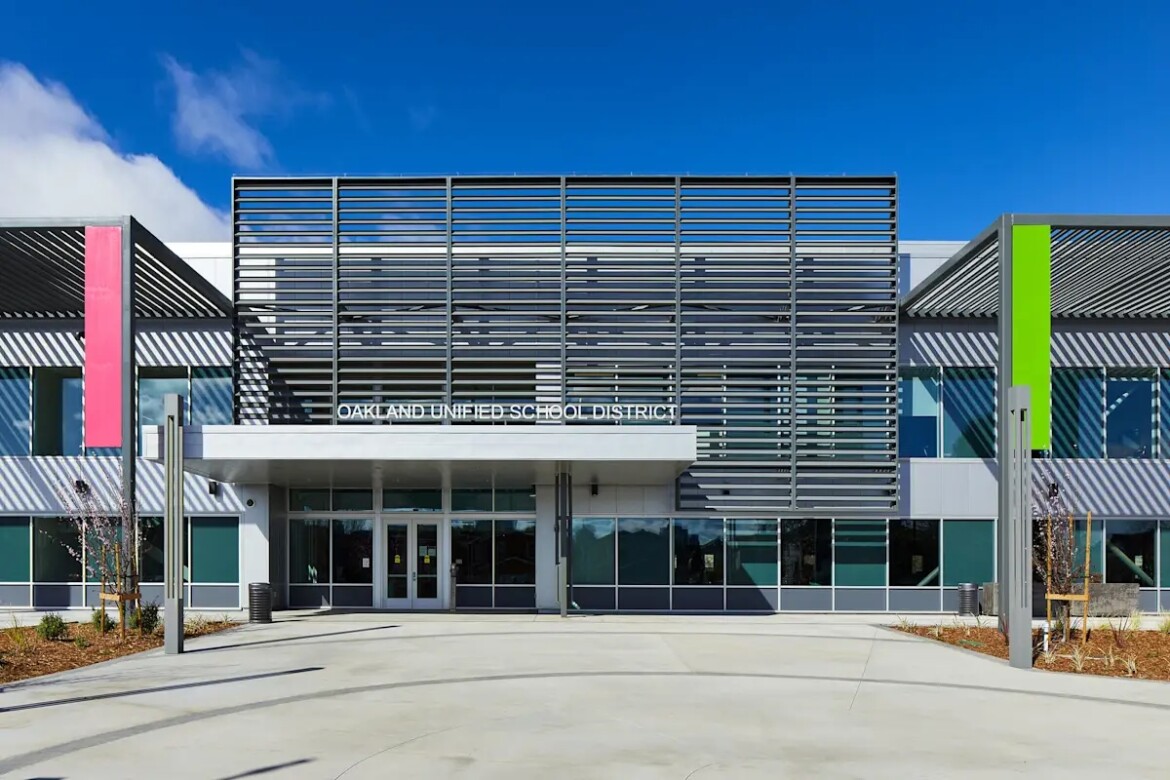
This story was originally published by EdSource. Sign up for their daily newsletter.
Voters in Oakland Unified School District will no longer vote to renew a parcel tax, which would have extended current funding for educator raises, middle schools and other services, the San Francisco Chronicle reported.
The Oakland school board rushed last week to put the parcel tax measure on the November ballot, but district officials didn’t submit the paperwork to the Alameda County election office by Friday’s deadline, according to the Chronicle. Now voters will have to wait until 2028.
District officials did not explain why.
There are two possible reasons for the missed deadline, the Chronicle reported: Either district leadership decided not to move forward despite the board’s vote, or they failed to get the required documents to the county in time.
The parcel tax, one of three property tax measures that helps fund facilities, brings in $12 million annually for the school district.
Oakland Unified, facing continued overspending and a $105 million teachers contract without a plan to pay for it, needed the money from the parcel tax to recruit and retain teachers and fund its middle school programs, board member Valarie Bachelor said.
“Without a replacement measure, Oakland students will lose millions of dollars each year,” she said, per the Chronicle.
During the November 2024 election, a record number of districts passed local bond measures — 205 of 267 — to fix or update campuses across their communities, EdSource reported. Along with construction bonds, 24 of 26 school districts passed annual parcel taxes. Parcel taxes are property taxes that must be a uniform amount per property in a district, whether it’s assessed for a run-down home or a five-star hotel.
But so far this year, California voters may be signaling tax fatigue toward school bonds and parcel taxes.
Palo Alto and Novato Unified’s measures were among seven of 15 parcel taxes statewide rejected by voters during the primary elections in June.
EdSource reporters Lasherica Thornton and John Fensterwald contributed to this report.