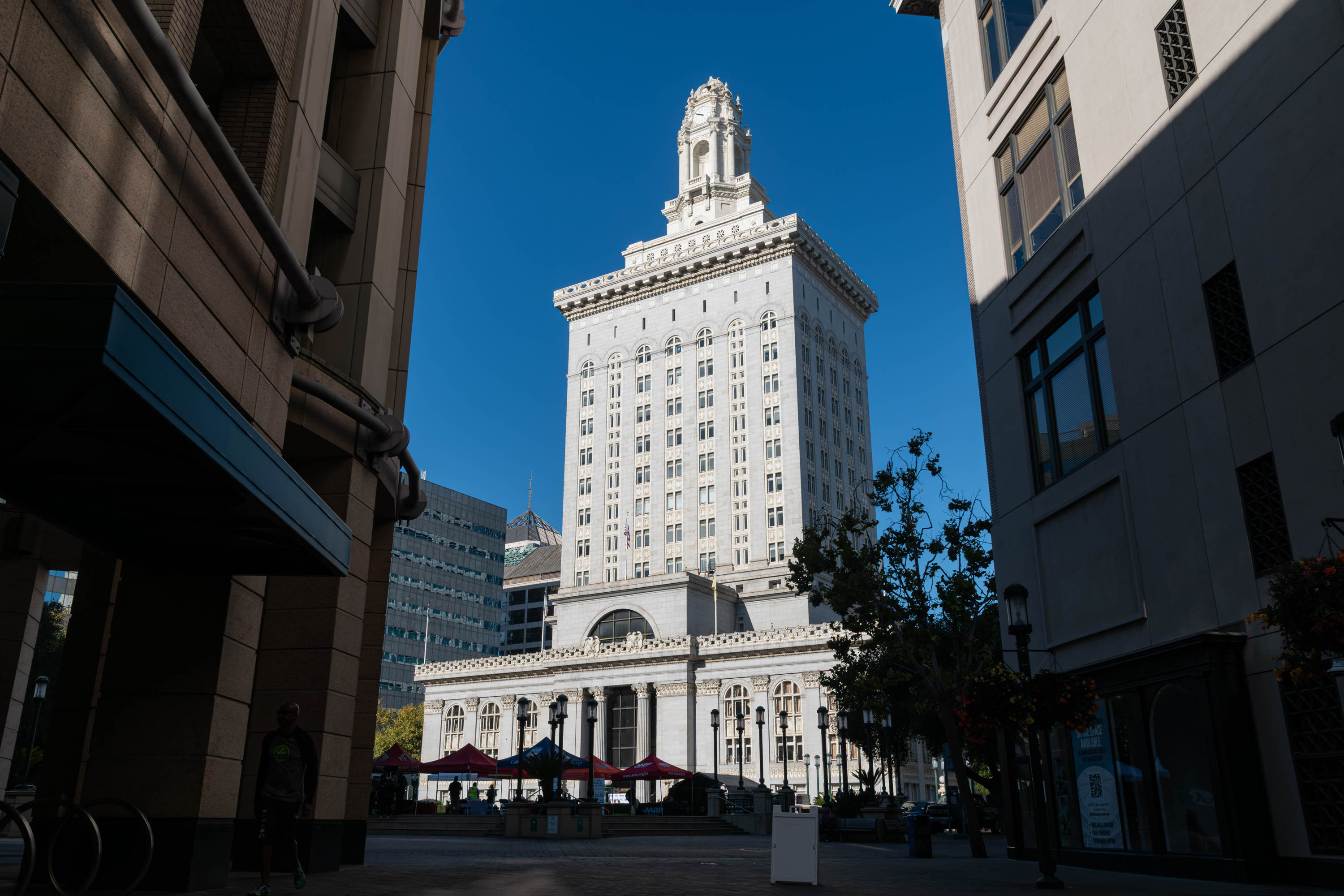
Oakland’s City Council voted unanimously Tuesday to add a ballot measure for November’s general election that will reform the city’s real property transfer tax.
If approved by voters in November, the proposal, authored by Councilmember Charlene Wang, would modify foreclosure exemptions in the city’s real property transfer tax and is predicted to generate increased tax revenue by an additional $4 million to $13 million.
“I want to note that in San Francisco, they are also proposing [the same] ballot measure, that is anticipated to raise $200 million over the next three years,” said Wang. “I recognize that our real estate market is not exactly this, but nonetheless it shows that there is significant revenue to be generated from this type of loophole closure.”
The tax was approved by Oakland voters in November 2018 and taxes transfers of property from 0.5% to 2.5% based on the value of the transfer. The tax currently generates just over $75 million a year for Oakland’s general purpose fund, according to Oakland’s published budget data.
The law currently exempts all properties that are under foreclosure proceedings, in lieu of foreclosure, or under lien enforcement actions. Wang’s proposal would refine the law from all properties in these situations to only exempting a narrower subset.
This subset includes transfers that will change buildings into transitional and interim housing, small transfers from families or individuals to someone that owns less than 20 properties nationally, or transfers to community banks that have balances under $10 billion.
Eliminating the ‘loophole’
Wang believes that this change would eliminate a loophole that “benefits Wall Street banks and institutional speculators” who target foreclosure properties to avoid paying taxes.
Instead, Wang said this change would create a financial incentive that would preserve housing for Oakland families while generating increased tax revenues.
“Right now, we have this loophole in our tax policies that actually incentivized for banks to towards foreclosure instead of trying to negotiate a better loan or a short sale,” Wang said. “I want to avoid someone going to foreclosure and then experiencing a hit to a credit score.”
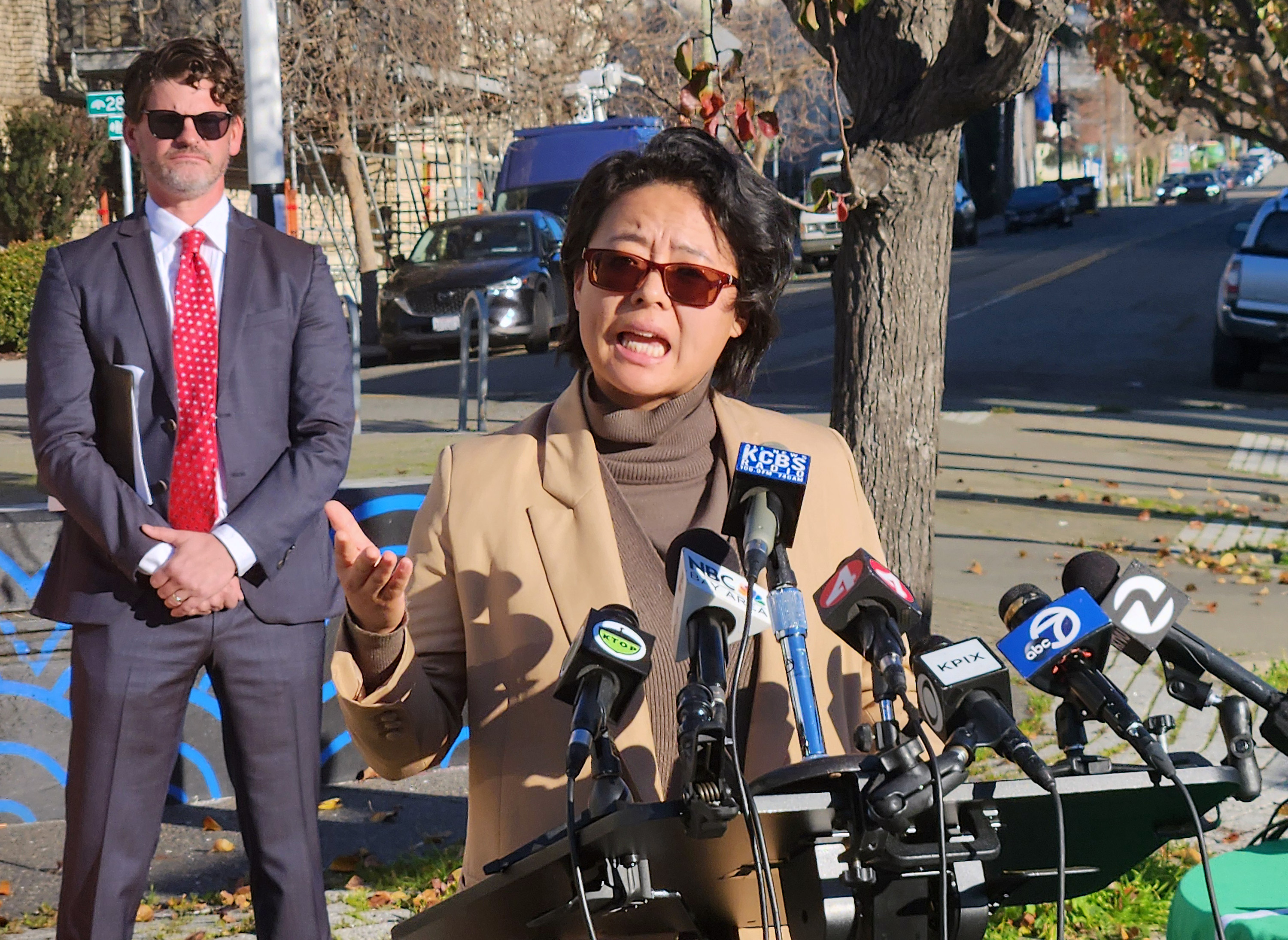
Other councilmembers said they appreciated Wang’s leadership on the measure and voiced support for it after a public comment period.
However, Councilmember Janani Ramachandran requested that the measure include language that the council could go back and amend the exemptions in case the narrowed loopholes are still exploited by actors the reforms are intended to target.
Wang agreed to add this increased flexibility. Councilmember Ken Houston also said he appreciated this amendment.
In a separate but linked ballot measure that was approved, voters will be asked if these funds can be used to produce interim homeless shelters, transitional housing and tent camp cleanup operations, among other things. However, this measure would be non-binding, meaning that the city will not be required to spend the additional funds on homelessness services.
Wang explained that specifying how these funds would be spent would turn the ballot measure into a special tax that would require a two-thirds majority to pass and require additional negotiations with the state.
She added that if the ballot measure is approved, she would like to have a portion of these funds directed toward homelessness services.