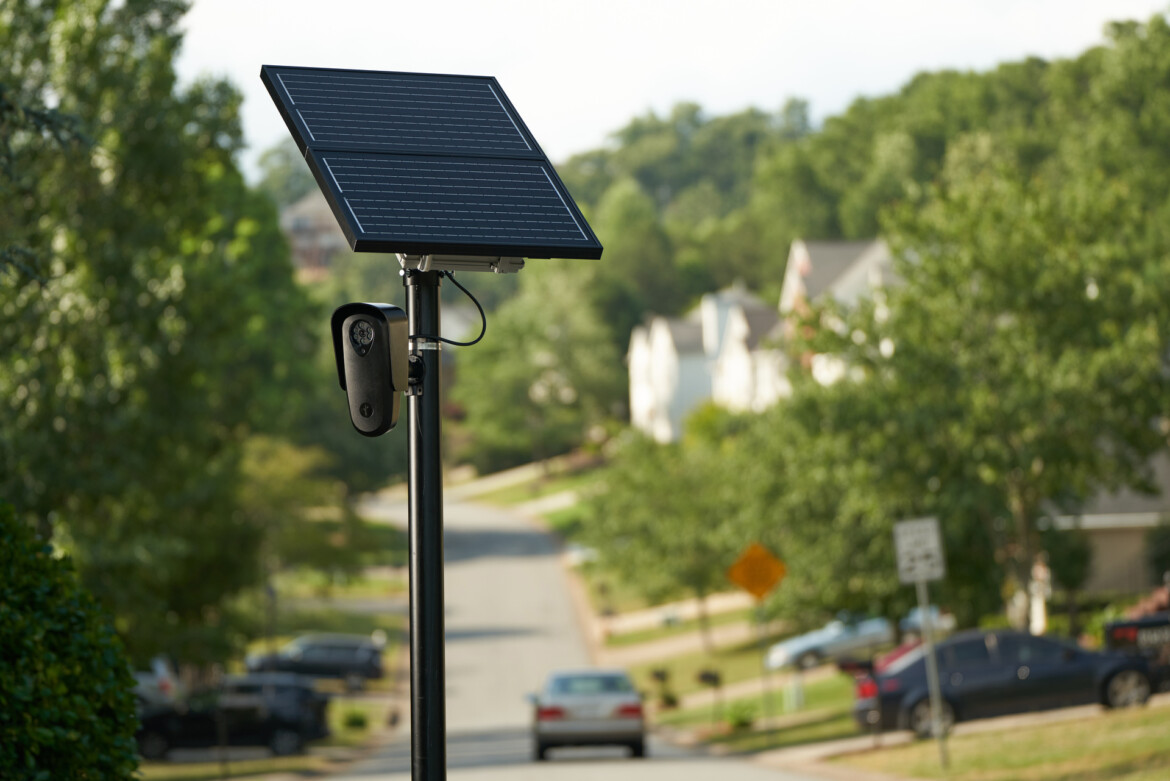
License plate reader camera manufacturer Flock Safety said Thursday that no federal agencies directly accessed the San Francisco Police Department’s camera system after a police audit determined that it was “improperly queried” hundreds of times.
At a Police Commission meeting Wednesday night, SFPD officials said they disabled access to the department’s Flock automated license plate reader cameras after a routine audit revealed that an authorized user conducted improper searches.
Police said the issue was discovered through regular audits last month.
“The audit did not find any inquiries referencing immigration enforcement or reproductive rights investigations, and the federal agencies identified do not include Immigration and Customs Enforcement or the Department of Homeland Security,” police said Wednesday night in a statement.
Automatic license plate reader technology provides a tracker system that helps multiple law enforcement agencies identify vehicles associated with criminal suspects, witnesses and victims, as well as point out drug trafficking, stolen vehicles and Amber Alerts.
California law places clear restrictions on sharing license plate reader information with out-of-state or federal agencies.
San Francisco police said their data was accessed by the Northern California Regional Intelligence Center and the Western States Information Network.
According to the audit, the agency that performed the searches was the Northern California Regional Intelligence Center, a public safety information sharing agency that shares intelligence between federal, state, and local agencies.
“Upon discovering the improper searches, Chief Derrick Lew immediately turned off NCRIC’s access to SFPD’s ALPR system and initiated an internal review,” police said.
The department said it previously authorized license-plate data sharing with NCRIC as allowed by state law. No out-of-state or federal agencies ever had direct access to SFPD’s Flock system, police said.
Flock Safety officials echoed that NCRIC was an authorized user, and that the cameras were not directly accessed by federal agencies.
“This was not the result of a software malfunction, platform issue, unauthorized access, or any failure of the Flock system,” a Flock Safety spokesperson said. “It involved searches conducted by authorized users at a California state agency that were later determined to be inconsistent with California’s ALPR data-sharing requirements.”
While NCRIC is an authorized user, police said that the systems were improperly queried on behalf of out-of-state and federal agencies. California law places clear restrictions on sharing license plate reader information with out-of-state or federal agencies.
Police said that the Western States Information Network, a federally funded intelligence sharing group, accessed the camera data.
“NCRIC and WSIN’s access to SFPD ALPR network currently remains disabled,” police said.
All the queries to SFPD’s network were simultaneously made to between 531 and 763 other law enforcement agencies, police said.
“There were 299 improper inquiries over approximately one year, which account for 0.005% of inquiries over that period,” police said.
Police said that the inquiries were unrelated to immigration enforcement or reproductive rights investigations, a concern that has fueled public resistance to Flock cameras.
“The audit did not find any inquiries referencing immigration enforcement or reproductive rights investigations, and the federal agencies identified do not include Immigration and Customs Enforcement or the Department of Homeland Security,” police said Wednesday night in a statement.
Some Bay Area cities have ousted Flock after privacy watchdogs raised concerns about federal agencies being able to access the camera data and using it for targeted surveillance.
This reporting about SFPD and Flock cameras appeared first on Local News Matters.