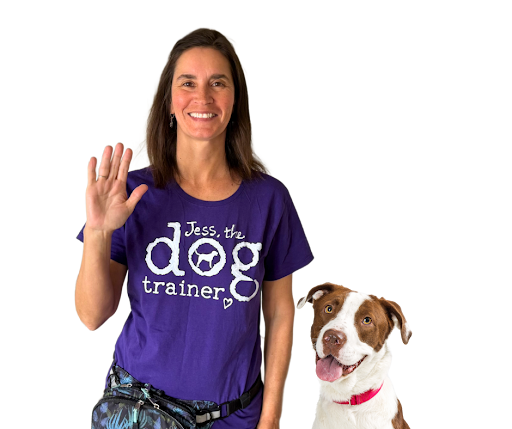
Dear Jess: My dog barks at everything – neighbors passing the window, other dogs on walks, even when I’m making dinner. I’m exhausted and tempted to buy a bark collar. What should I do?
Bark collars seem like an easy fix, but they can misfire or correct too harshly, and that can do real harm. In rare cases, when barking is so severe a dog might lose their home and everything else has been tried, I have helped clients use one carefully. But without a professional, they can make things worse. The right plan always starts with one question: why is your dog barking?
Alert barking: “Something’s out there!” If your dog goes off every time a truck passes or a neighbor walks by, start by limiting what they can see and hear. Cover the windows – stick-on decals that look like frosted glass work beautifully for this – and run a fan to muffle outside noise. When they bark anyway, say “Quiet,” hold a treat to their nose until they stop, then toss it onto their bed. This gives them something else to focus on and builds a calmer habit over time. Most dogs get the hang of it within a couple of weeks.
Demand barking: “Give me that!” If your dog barks directly at you for food, attention, or a toy, they’ve learned that noise gets results. The moment they bark, cross your arms, look away, and leave the room if needed – no eye contact at all. But also get ahead of it. Ask them to lie down before they start up, then reward that with a chew or puzzle toy. You’re teaching them that calm gets results, not loud.
Reactive barking: “OMG a dog/person!” This is the hardest type and the worst place for a bark collar. When your dog lunges and barks at other dogs or strangers, it could be fear, or it could be that they desperately want to go say hello. Those are opposite problems that need opposite solutions. Shocking a scared dog can cause them to start connecting the sight of other dogs with being hurt, making everything worse. Instead, give yourself more space than you think you need when something sets them off. Say “Quiet,” hold a treat to their nose, then drop it on the ground away from the distraction. With time, most dogs learn to check in with you instead of reacting.
When to call for help: If the barking feels out of control, or you can’t tell what’s setting your dog off, a professional will save you a lot of time and dead ends.
Jess Rollins offers private, in-home dog training in the local area. To schedule a free discovery call, visit GuidanceDogTraining.com/Discovery or text 510-545-3889.