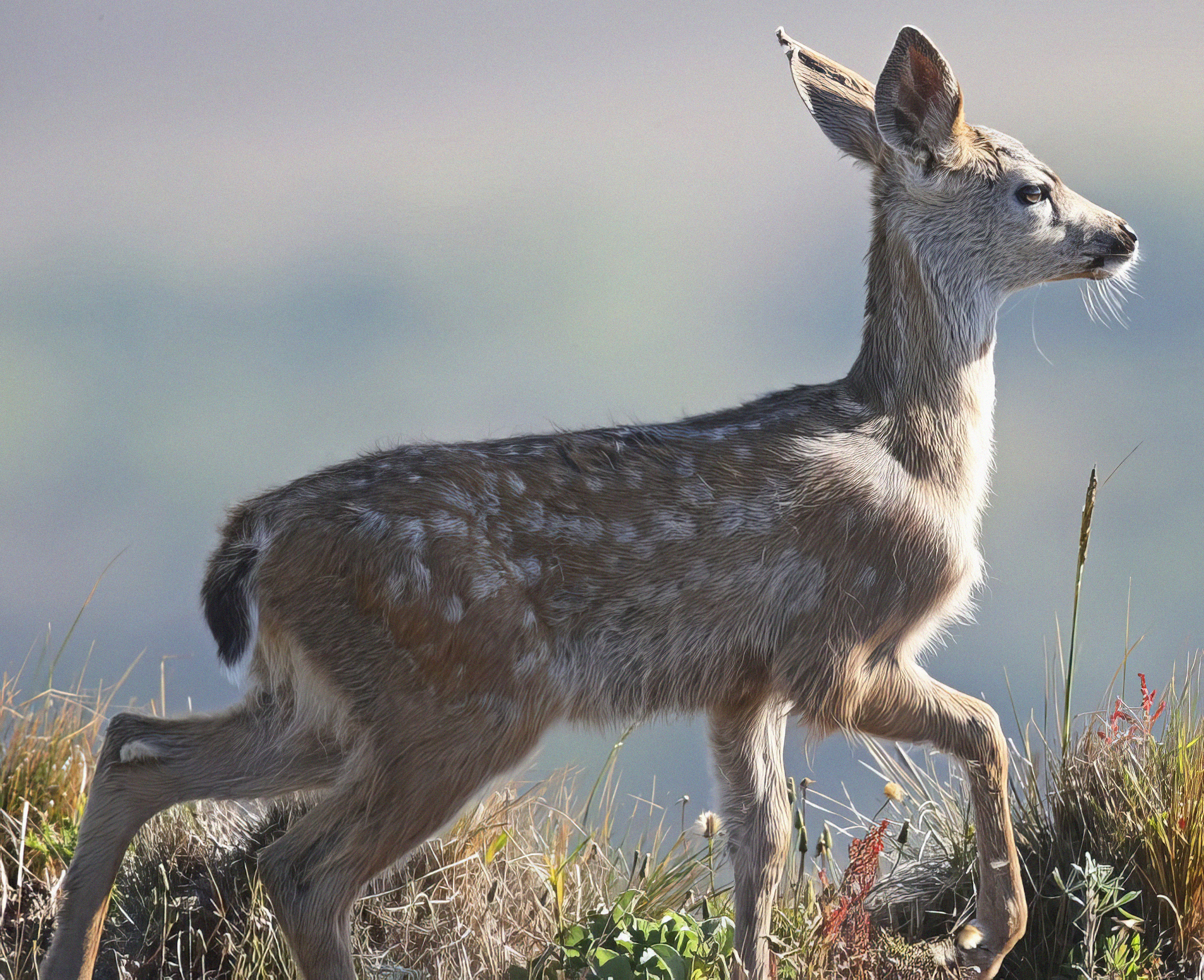
They may look abandoned or hungry. But leave the baby deer alone, state wildlife officials say.
Well-intentioned people can be tempted to “help” fawns in the late spring and early summer, the peak times for California’s deer to give birth, the California Department of Fish and Wildlife said Friday. They’re actually fine. Mother deer regularly stash their fawns in tall grass or brush for up to a day while they’re foraging for food.
“Every year we receive calls from concerned individuals and families about fawns and other young wildlife that appear to be abandoned or in distress,” said Jeff Stoddard, Wildlife Program Manager from CDFW’s Northern Region.
They don’t need human intervention. “Stay clear of the animal so the mother feels safe to return and so your presence does not attract unwanted attention to the fawn by people or other animals,” he said.
“In almost every case, the mother returns after dark or when it appears quiet and the mother feels safe to do so,” Stoddard said.
Fawns removed from the wild lack the survival skills their mothers would have taught them and can’t be released back into nature.
There generally isn’t room for them in zoos or sanctuaries, so they’re consequently euthanized, state officials said. If a fawn is found on a road or other dangerous location, use a towel or blanket to move the animal a short distance to suitable vegetation and allow it to reunite with its mother, according to the wildlife agency.
A doe won’t abandon her fawn merely because it’s been touched by a human, the agency said.