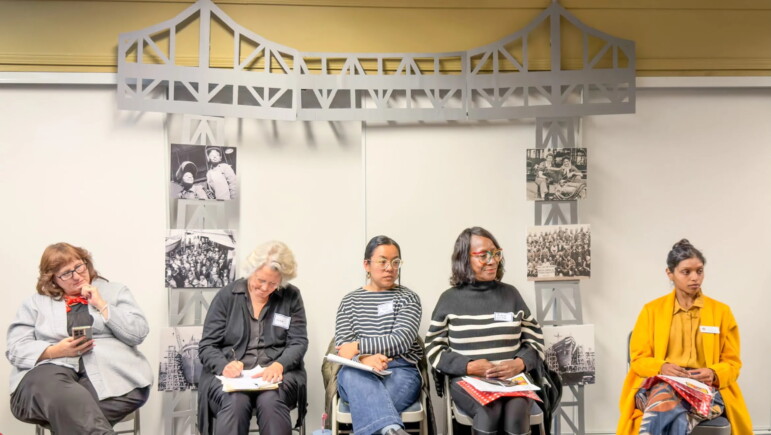
Local leaders and representatives of elected officials, from a mayor’s office to Congress, sat in a circle late last month at the Rosie the Riveter WWII Home Front National Historical Park in Richmond to discuss the idea of adding a second commemoration to the John F. McCarthy Memorial Bridge, commonly known as Richmond-San Rafael Bridge.
The McCarthy memorial signage would remain the same and be restored, according to Sarah Pritchard, executive director of the Rosie the Riveter Trust, the nonprofit that supports the national park.
“On the right-hand side is a green reflective sign that says Richmond-San Rafael Bridge. That is the sign that would be replaced,” she said.
The change would require approval from the California Legislature.
The John F. McCarthy Memorial Bridge was dedicated in 1981 in honor of the state senator who played a central role in the bridge’s construction and in the creation of the BART system. McCarthy represented Marin and nearby counties from 1951 to 1971.
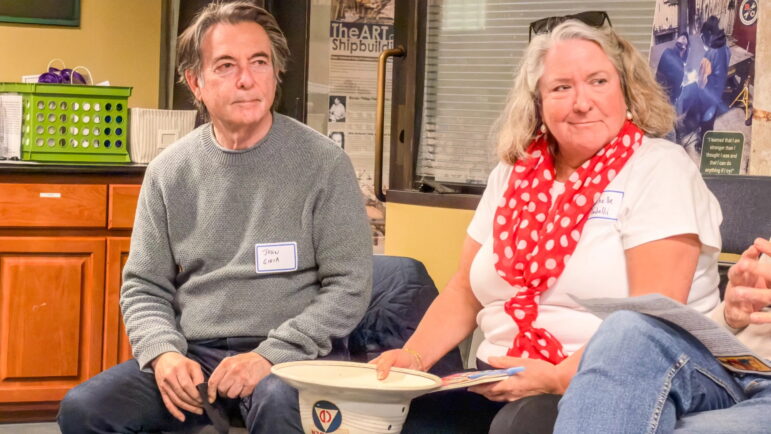
At the meeting, people began to weigh the potential benefits of a name change, including a boost in the economic revitalization of historic Richmond, educational opportunities associated with the park, increased locational awareness of shipyards in Richmond and Marin City, and the recognition of cultural diversity and women’s rights.
The U.S. Library of Congress identifies Rosie as a symbolic public character that first began as a popular 1943 song inspired by war worker Rosalind P. Walter, a 19-year-old who worked as a riveter on fighter planes in a Connecticut factory. The image of a woman skillfully operating a heavy industrial tool went “viral” in the media of the day. An illustration by artist Norman Rockwell appeared in the Saturday Evening Post, a popular weekly magazine.
San Francisco Bay Area shipbuilders produced almost 45 percent of all the cargo ships and 20 percent of warships in the country during World War II.
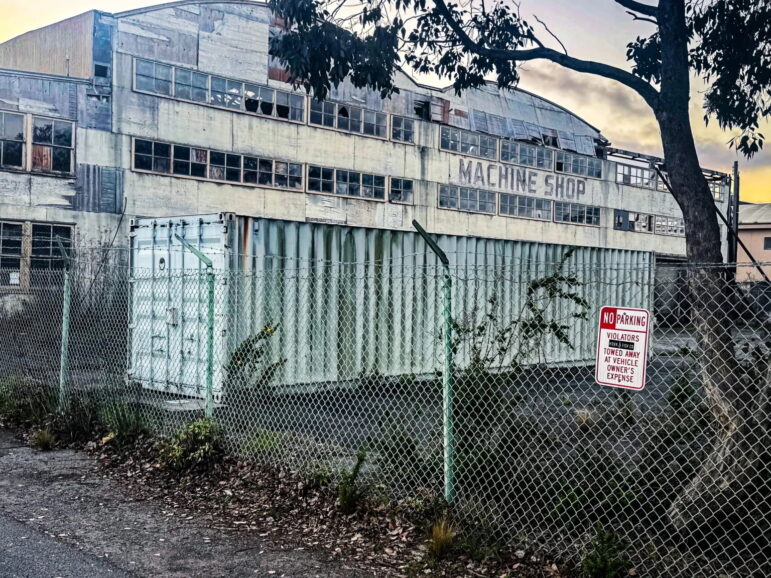
Richmond was designated as the site for the national park because it preserved some of the surviving physical infrastructure of the Kaiser Shipyards, which employed up to 90,000 workers, mostly women and people of color. U.S. Rep. George Miller, whose name is memorialized on the Benicia-Martinez Bridge, proposed the Richmond location, and the historical park was established in 2000.
“What’s important is information about what this means, not just back during World War II, but what it means today,” said Contra Costa County Supervisor John Gioia.
“I have lots of oral histories of many of the Rosies,” said Felecia Gaston with the Marin City Historical and Preservation Society. “Stories of them traveling to work in the shipyards, especially their experience going from the Jim Crow South and all the trials and tribulations they had to go through on the train or the Greyhound bus.”
“I was looking up how many major bridges are named after women, very few in the whole nation, maybe 20 or 23,” said Harpreet Sandhu with the office of U.S. Rep John Garamendi, D-Richmond.
“This is not just one person, but women who contributed to our whole community.”
There are no Bay Area Bridges named after women, and few that honor people. The western span of the San Francisco-Oakland Bay Bridge is named the Willie L. Brown Jr. Bridge, recognizing the former state legislator and two-term mayor of San Francisco.
McCarthy’s youngest daughter Gina voiced her desire to retain the memorial designation for her father, who served during World War II as a merchant marine.
“In this day and age when history is being rewritten, I would hope we choose to remember our local legislators and local heroes for the sacrifices and work they did to build a more equitable future for us today,” she said.
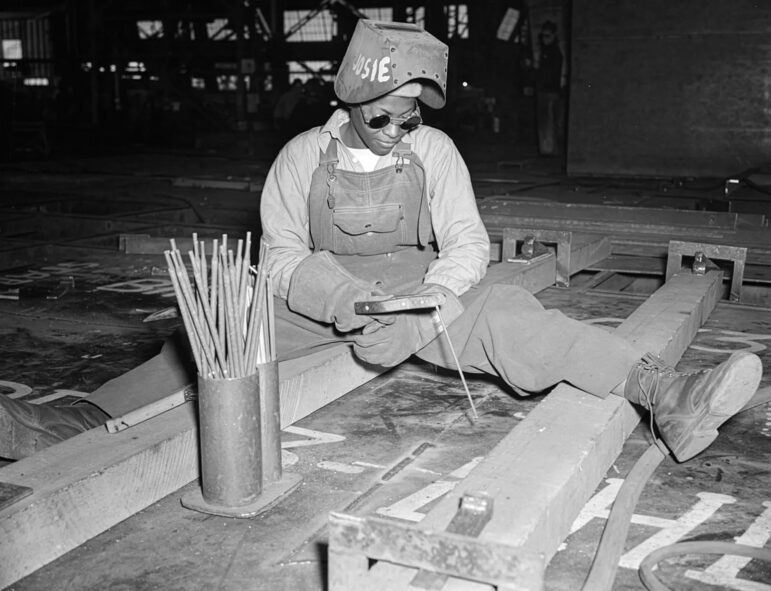
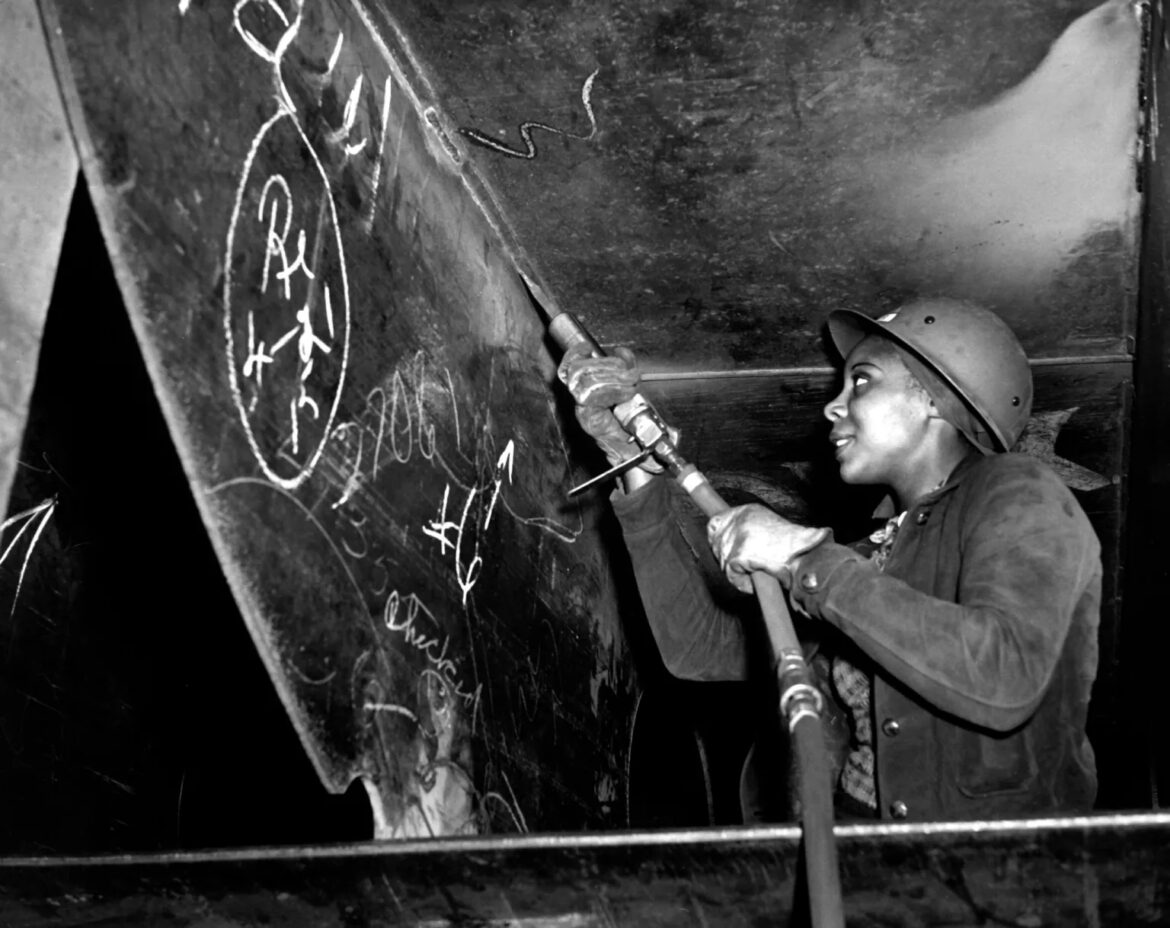
Welder-trainee Josie Lucille Owens stick welds during the construction of the Liberty ship SS George Washington Carver at a Kaiser Permanente Metals Corporation shipyard in Richmond, Calif., in 1943. (Emmanuel Francis Joseph/Naval History and Heritage Command via Bay City News) 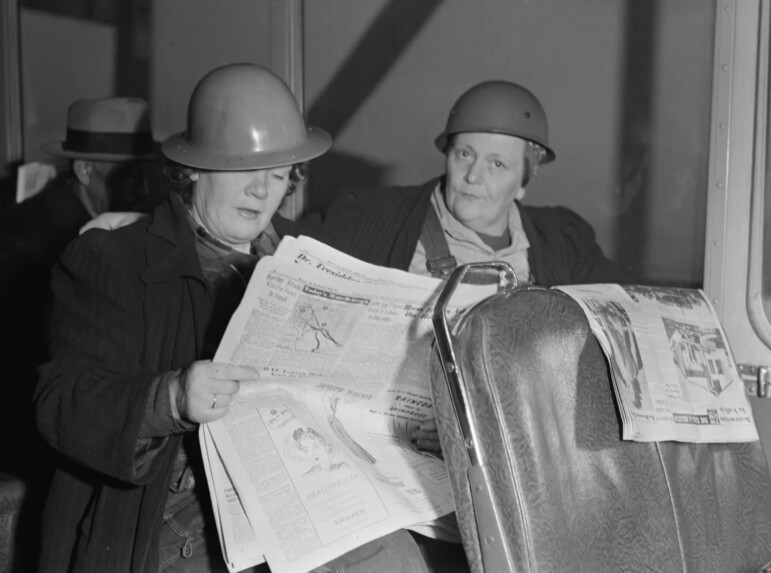
Right: Two women workers ride to the Kaiser Shipyards facility in Richmond, Calif., in June 1943. (Ann Rosener/Library of Congress via Bay City News)
Ilaf Esuf, aide to state Assemblymember Buffy Wicks, D-Oakland, said that the bill will not advance in the Legislature without the consent of the McCarthy family, but it would have to be introduced by the end of February if it were to happen this year.
There have been no decisions on the design of the sign or the language that would be used.
The 1943 Rosie the Riveter song can be heard at tinyurl.com/4z4jyjae.
The post Rosie the Bridge? Leaders discuss honoring women workers on Bay Area landmark appeared first on Local News Matters.