California water regulators have approved a new plan overhauling how farms and cities take water from the Sacramento-San Joaquin Delta and rivers that feed it, setting up the next fight over Gov. Gavin Newsom’s plan to balance water supplies with the needs of a struggling ecosystem.
The plan gives water agencies a choice: agree to forgo some water and restore habitats, or fall under the regulatory backup — a set of mandatory rules for how much water must remain in rivers and streams to flow through the Delta.
But the compromise the Newsom administration reached four years ago with the state’s most powerful water suppliers now faces opposition from unexpected quarters.
Powerful water agencies that once backed it say Newsom’s voluntary agreements have become too restrictive. The Trump administration has threatened to withdraw support and several hundred million dollars in funding. And environmental advocates, tribes, and fishing groups warn that the deal and its regulatory backup gut protections for an ecosystem already in crisis.
Opening this week’s final hearings, E. Joaquin Esquivel, chair of the State Water Resources Control Board, said he was struck by the opposing criticism. He called water agencies’ narrative that the plan has strayed from Newsom’ original deal “convenient theater.”
“Some agencies say we kept too much oversight,” Esquivel said. On the other hand, tribes and environmental groups say “we kept too little. They are pointing at the same provisions from opposite directions. That doesn’t make the plan perfect. It does tell me the plan sits where a regulator should.”
The question is how California’s water regulators will move forward without the buy-in of major water users these agreements had aimed to bring on board, and whether the regulatory backup will hold if they don’t.
“That creates a world of confusion and dysfunction,” Gary Bobker, program director at Friends of the River, said at a briefing Tuesday. “And I think the board recognizes that they’re going to be handed an incredible morass.”
Supporters say the deal has changed
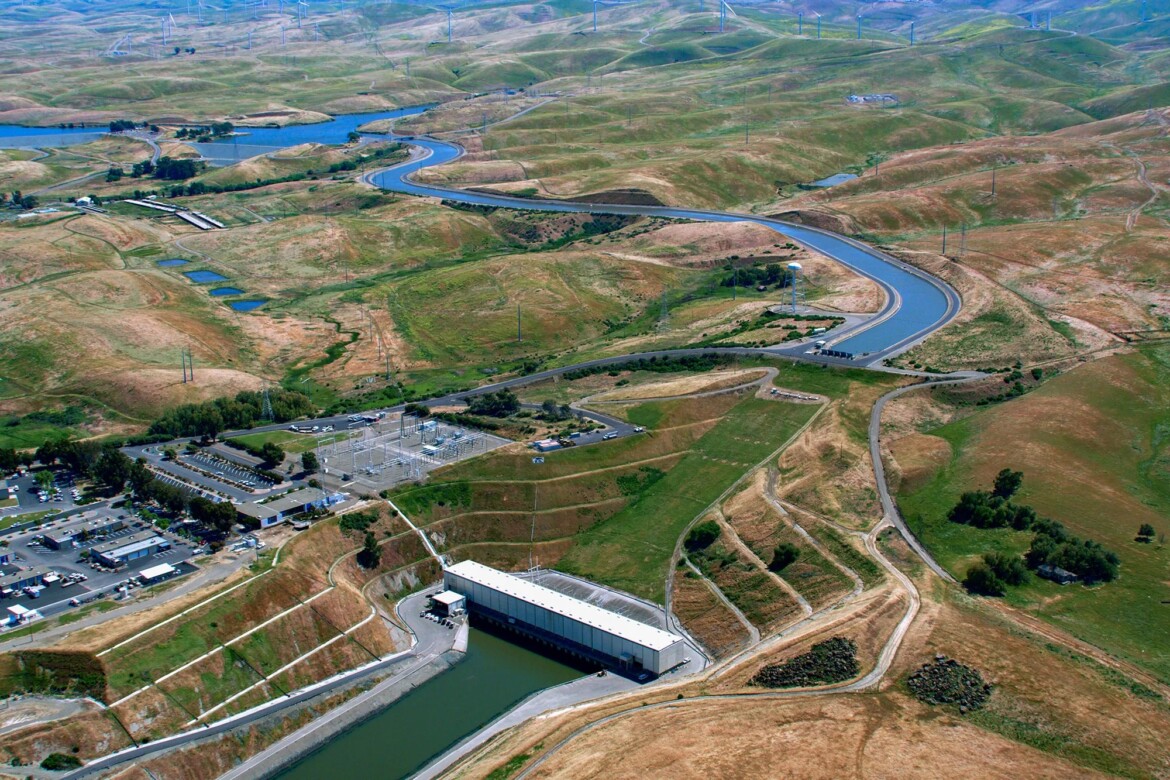
The Delta is the heart of California’s water delivery system, where state and federal pumps export Northern California river water to Central and Southern California. It’s also the center of California’s water wars, and in the throes of collapse.
State officials have been warning for years that existing rules aren’t enough to stop the precipitous decline of native species like the state’s iconic salmon as they lose freshwater to cities and farms. Crashing populations forced the recent cancellation of salmon fishing for three unprecedented years in a row.

But the state last overhauled the Bay-Delta Water Quality Control Plan, a keystone document governing water quality and flows, in 1995.
Late Thursday night, after two days of public comments raising concerns with the plan and several hours deliberating last minute changes, the State Water Resources Control Board approved an update centering Newsom’s voluntary agreements.
Only one board member, civil engineer Nichole Morgan, voted against the update. Among the yes votes was Newsom’s former secretary for environmental protection Jared Blumenfeld, a signatory to the original deal.
California Natural Resources Secretary Wade Crowfoot told a quiet room Thursday that he knew this path forward was uncomfortable for everyone.
“We heard yesterday a lot of groups, including tribal governments, that continue to believe that this is not sufficient, and this is the wrong approach,” Crowfoot said. “We have water agencies that aren’t comfortable with the way that their proposal — our proposal — has materialized… That’s natural. This is a paradigm shift.”
Officially known as the Healthy Rivers and Landscapes Program and backed by $2.9 billion of mostly state as well as federal and water supplier money, the Newsom administration touted these agreements as a way to forestall legal fights while balancing competing demands on the Delta.
But after years of regulatory processes, public comment and environmental review, the original signatories are balking. Water users, including Westlands Water District, a power player in the state’s $60 billion agricultural economy, say the current plan is not what they signed up for.
“It’s unrecognizable,” said Jennifer Pierre, general manager for the State Water Contractors, which represents public water agencies serving 750,000 acres of farmland and 27 million people.
Pierre called the latest version a “complete system of micromanagement” that centers too much decision-making with the state water board’s executive director, and retains too little flexibility.
“I think everyone’s reviewing it to see, okay, we’ve all acknowledged this is not what we proposed, but is it workable?” she said.
A second front opens up
In a major blow to the voluntary agreements, the federal government — which pumps Delta water to millions of acres of Central Valley farmland — is threatening to jump ship. If it does, it would take hundreds of millions of federal dollars with it.
State water regulators clarify that no one has yet officially withdrawn from the deal. But the threat hits harder than those from other water users, said Barry Nelson, a senior policy analyst for the Golden State Salmon Association.
“They’re the largest water project in the Central Valley. They have more storage than anyone else in the state of California. And they jointly operate the Delta with the state,” Nelson said at a briefing for reporters.
Aubrey J.D. Bettencourt, principal deputy commissioner of the U.S. Bureau of Reclamation, which operates California’s federal water delivery system, wrote to the water board in September to express the Trump administration’s “serious concern” with the near-final draft.
Bettencourt said it “reflects more of what has come to be expected from the State Board – executive and regulatory overreach, questionable legal authority, and continued downward pressure on water users throughout the state,” referring to reduced water supplies.
These concerns include a new provision requiring that if state or federal managers make substantial changes to water deliveries that decrease flows through the Delta, they must submit a plan to make up for the loss.
The addition comes after the Trump administration’s unilateral move last December to allow more federal exports from the Delta to Central Valley farms. California officials, who typically coordinate with federal water managers, warned at the time this risked leaving less for other water users and the environment.
Bettencourt wrote that if the board fails to address the Trump administration’s concerns, federal water managers will pull out and stop funding a plan she said “threatens reliability of water supplies that support … the entire fabric of California’s agricultural economy, rural
communities, urban centers, and natural vitality.”
War among the water users
State water regulators say the plan can still succeed without federal participation or money, which was originally anticipated to reach $740 million.
“We’re still committed to making the (voluntary agreements) pathway work for the other participants. It does complicate things, and we’ll have to work through that,” said Eric Oppenheimer, the state water board’s executive director.
The money is part of the voluntary agreements’ $2.9 billion price tag intended to pay for habitat restoration and water purchases.
Oppenheimer said that if the Trump administration pulls out, federal water managers at the bureau instead would be bound by the backup plan.
But he added the board’s modeling shows it’s in the Trump administration’s best interest to stick with the voluntary agreements because it will allow them to export more water.
“It has a reduced water supply impact for Reclamation and its contractors, and we also think that the voluntary agreement itself is a benefit for the ecosystem,” Oppenheimer said. “But we can’t make them volunteer.”
Environmental advocates and the fishing industry are skeptical about many things, including that state regulators will truly hold the federal government to the regulatory backup. They point to increased federal releases from Lake Shasta to send water to Central Valley farms this past summer, despite state objections that this would sap cold water necessary for imperiled salmon.
Those who fought voluntary agreements from the outset for failing to protect the Delta and all who depend on it say it’s ironic that water users are now fighting the deal, too.
“There actually might be a war among water users,” Bobker said. “That’s kind of what you’re seeing here: people who think the (voluntary agreements) are a weak-enough gutting of the regulations, and those who think actually no, they don’t go far enough.”