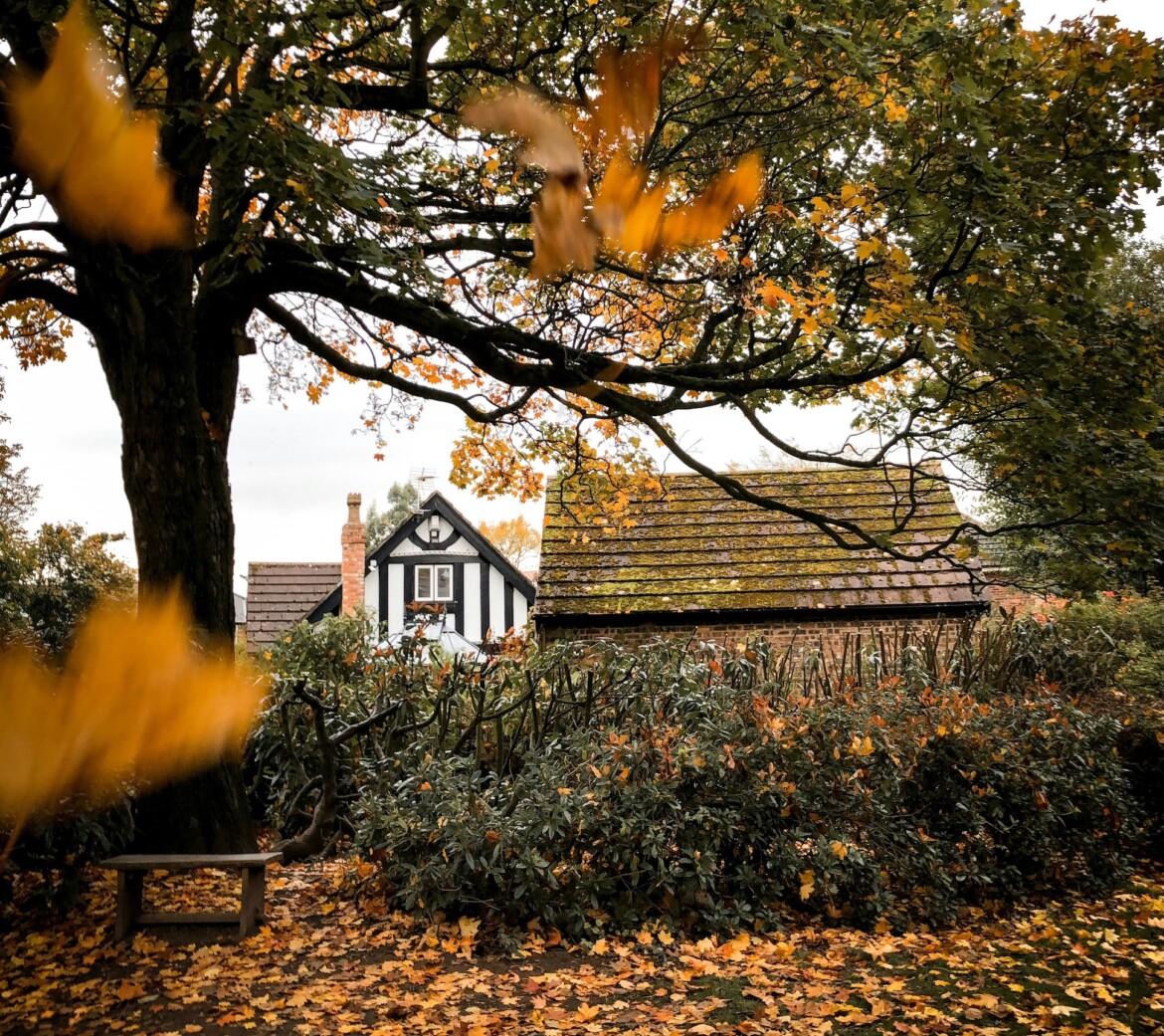
Did someone say “El Nino?” Time to batten down the hatches — aka winterize your home.

[SPONSORED]
The personal stories of one realtor’s battles and triumphs in the highly-competitive Bay Area real estate market, seeking to illuminate and humanize the very real ups-and-downs of homeownership.
The leaves are falling, the pumpkins have arrived, and my neighbors’ kids are anxiously awaiting Halloween. Warm afternoons and crisp mornings mean that fall has definitely arrived. It’s one of my favorite times of the year in the Bay Area when the gardens begin to change color, the evenings turn chilly, and we start thinking about cozy nights by the fire.
But this year, there’s another reason to pay attention to the changing seasons. Forecasters are warning that the 2026–2027 El Niño could become exceptionally strong, potentially bringing significant changes to weather patterns around the world. The World Meteorological Organization reports that this El Niño is expected to intensify through the fall, peak toward the end of the year, and persist into early 2027. While El Niño doesn’t guarantee a wet winter in the Bay Area, it’s a good reminder that we should prepare our homes for whatever Mother Nature has in store.
In other words, it’s time to batten down the hatches!
For me, winter preparation starts with these unglamorous but essential jobs:
- Clean out the gutters and clear the drains around the house, particularly the one in front of the garage. Nothing good comes from leaves, twigs, and other debris blocking the path of rainwater. Unfortunately, my garage sits at the end of a downward sloping driveway, which leads to water seepage even during normal rainfall. Consequently, I’m stocking up on sandbags. I’ve learned the hard way that it’s best to plan ahead rather than scramble when the first big storm arrives. I’ll also make sure nothing valuable is sitting directly on the garage floor. Cardboard boxes, stored belongings, and anything else vulnerable to water will be moved onto shelves or raised off the ground.
- Inspect the roof for missing or damaged shingles, check flashing around chimneys and vents, and look for any obvious signs of wear that could allow water to work its way inside. Check that downspouts are securely attached and directing water away from the foundation. If you’ve noticed pooling water near your house, now is the time to address it. A little preventative maintenance can help avoid much bigger, and infinitely more expensive, problems later.
- Clear fallen leaves from pathways, drains, and planting beds where they might trap moisture, while adding mulch to help protect the soil and roots. Overgrown shrubs and branches should be trimmed back from the house, roof, and windows. Not only can branches scrape against siding and break during a storm, but dense vegetation close to the house can also trap moisture and make it harder to spot potential problems. Any large overhanging tree branches should definitely go. Just be sure to prune thoughtfully, taking into account each plant’s needs and the best time of year to trim them.
- Attend to a few simple inside tasks that are easy to overlook but important nonetheless such as replacing the furnace filter so the heating system can operate efficiently, checking that the thermostat is working properly, and making sure smoke and carbon monoxide detectors are functioning. If your detectors use replaceable batteries, fall is a convenient time to change them. Check the weatherstripping around doors and windows, look for gaps where cold air might creep in, and reseal any areas that need attention. These small fixes can make the house more comfortable while helping to keep heating costs in check. If you use your fireplace during the winter, be sure to have your chimney inspected and cleaned by a qualified professional. Creosote buildup can create a serious fire hazard, and a blocked chimney or damaged flue can allow smoke and carbon monoxide to enter your home.
- Take a few precautions to prepare for the possibility of a power outage or a particularly heavy storm. Have flashlights, fresh batteries, and a basic emergency kit readily available, just in case.
- If you have a sump pump, test it before the rainy season and consider a backup power option. If your property has a history of drainage problems, this is the time to consult a qualified professional rather than wait for the next downpour to reveal the trouble spots.
Of course, no one can predict exactly what this winter will bring. But homeownership has taught me that a little preparation goes a long way. Whether we get a season of gentle showers or a series of powerful storms, taking care of these tasks NOW can help protect our homes, prevent costly repairs, and give us a little more peace of mind when the rain begins to fall.
So, while enjoying the pumpkins, the changing leaves, and the last of those warm afternoons, make a list, and then get to work. (You’ll be glad you did). Or as our mothers used to say: “An ounce of prevention is worth a pound of cure.”
Here’s to a cozy, comfortable, and hopefully trouble-free winter.
How can we help you?
Julie Gardner & Sarah Abel | Compass Realty
Not just Realtors, but consultants in all things house and home, we’re here to educate, explore, examine and refer . . . In short, you may count on us to take care of your home as if it were our own and anyone who knows us, knows we take pretty darn good care of our homes.
Learn MORE