This story was originally published by EdSource. Sign up for their daily newsletter.
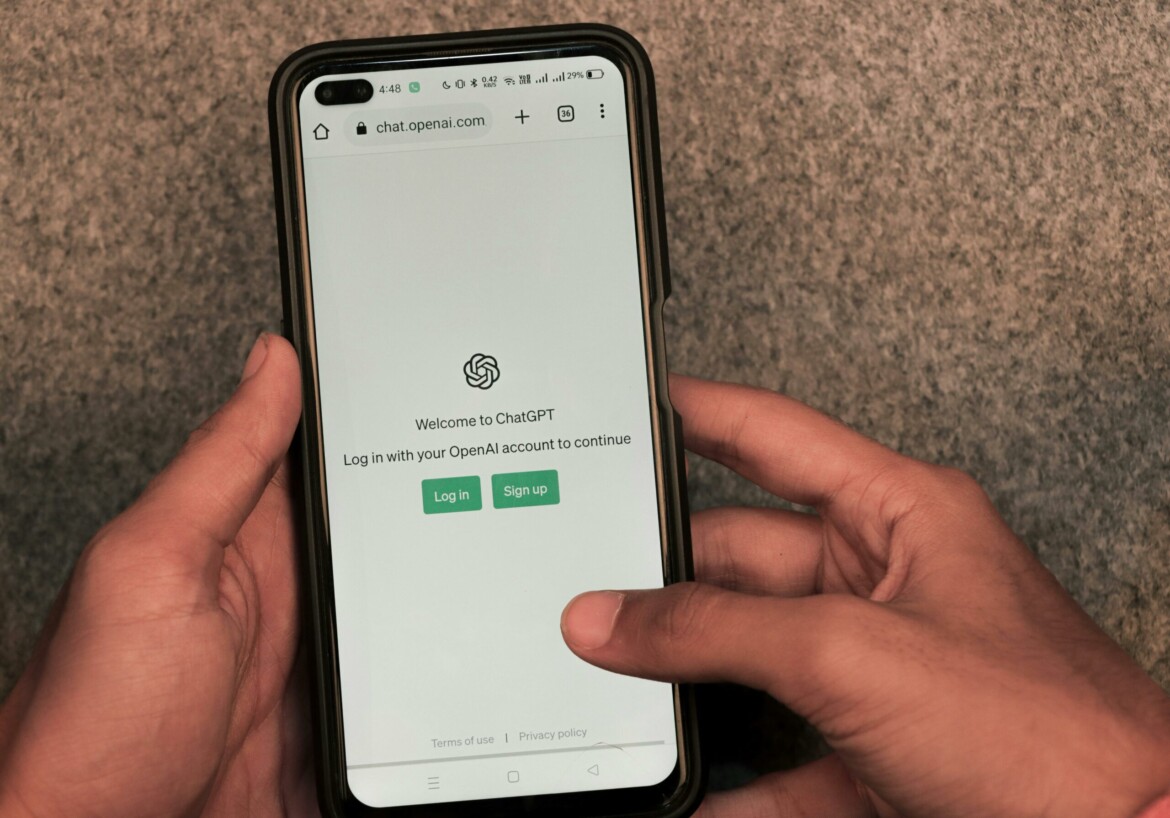
OpenAI recently released ChatGPT for Teens, but a review of the product by Common Sense Media’s Youth AI Safety Institute found that it poses unacceptable risks to youth.
The technology research nonprofit called on OpenAI to pause advertising of the product and to keep teenagers off ChatGPT, “until it can offer a safe, developmentally appropriate experience,” according to the report released this week.
OpenAI released the collection of settings for ChatGPT users who are between the ages of 13 and 17 years old in August. The company claimed that the product provides stronger safety protections, parental notification when sensitive topics come up in conversation with the chatbot and a study mode intended to support learning.
Researchers at Common Sense Media tested more than 4,000 prompts before and after the product was launched, and found that the guardrails did hold up in some areas, like refusing to engage in sexually explicit conversations.
But ultimately, the institute said the product posed risks to teens because it did not always notify caregivers when topics such as self-harm and eating disorders were raised. Additionally, researchers found that teens could manipulate the large language model to provide answers in study mode.
“We were actually hoping and expecting to see big improvements across the board based on that announcement,” Tom Siegel, the institute’s executive director and a former Google trust and safety executive, told KQED in a statement. “It didn’t, unfortunately, work out that way at all.”
In a statement to the news organization, an OpenAI spokesperson said that some Common Sense Media’s testing occurred before parental controls were fully activated.
“We welcome rigorous independent evaluation, but we do not believe Common Sense Media’s testing accurately reflects how ChatGPT’s teen safeguards work in practice or expert perspectives on how AI can support teens,” the spokesperson said.

This story was originally published by EdSource.