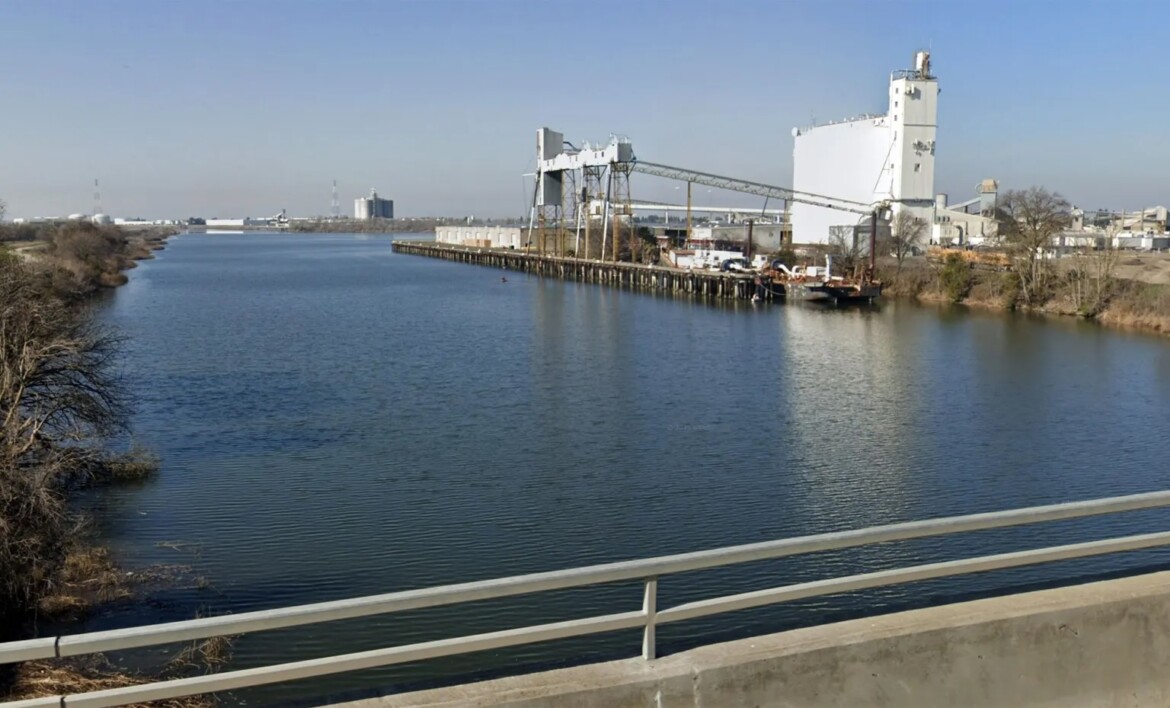
If not managed properly, invasive species in California could further harm local ecology, damage infrastructure and impact economic activity, state officials and experts said during a virtual briefing Thursday.
The golden mussel and the glassy-winged sharpshooter were among invasive species discussed in the briefing by representatives from the California Natural Resources Agency, Department of Water Resources, Department of Food and Agriculture, and the Department of Pesticide Regulation.
Golden mussels are an invasive freshwater species of mussel, originally from Southeast Asia.
The species was first detected in the Sacramento-San Joaquin Delta in October 2024, and authorities do not know how they arrived in California, said Kristopher Jones, an assistant manager at the California Department of Water Resources.
Since then, Jones said, the mussels have spread to water bodies all over the state.
“They’re moving pretty quickly since they were detected,” he said. “They’re becoming an infrastructure and water supply issue.”
A growing problem
In April, the San Joaquin County Board of Supervisors proclaimed a local emergency because of golden mussels and their impacts on the Sacramento-San Joaquin Delta.
Jones explained that the mussels proliferate quickly, competing with native species of aquatic life, and attach to hard surfaces like the bottom of boats, pipes and other water infrastructure.
As a result, they can clog waterways and damage vital water infrastructure.
Jones said that the Department of Water Resources and the Department of Fish and Wildlife are working to use different treatment methods.

To avoid inadvertently spreading the golden mussels, Jones urged watercraft users, “before you move your boat from one water body to another, clean it, drain it completely and let it dry.”
Another invasive pest is threatening California’s winegrape industry — the glassy-winged sharpshooter.
The glassy-winged sharpshooter is a leafhopper insect and spreads the fatal grapevine ailment known as Pierce’s disease, a bacterial infection that blocks water-conducting systems in plants, causing them to dry out. The disease is incurable.
Tracking and trapping
In May, the California Department of Food and Agriculture found that grapevines infested with the insect were supplied to multiple Costco locations across California. The plants, numbering in the thousands, came from Burchell Nursery in Fresno County.
Since then, the California Department of Food and Agriculture and county agricultural officials have been tracking the pest, setting up traps, and destroying infested grapevines to prevent further spread.
A 2025 study funded in part by the Pierce’s Disease/Glassy-Winged Sharpshooter Board at the California Department of Food and Agriculture estimated that if the pest is allowed to spread unchecked, it could cost the state’s winegrape growers an additional $56 million a year in lost production and vine replacement.

The pest already costs growers roughly $48 million in lost winegrape production and vine replacement every year, the study added.
Attacking the pest early on is the best shot at controlling its spread, as small and isolated populations are easier to tackle, said Jeff Dukes, senior staff scientist at the Carnegie Institution for Science.
A winegrape industry group has committed $820,000 to the effort, and the CDFA estimates that it spent $3.2 million in its initial response in May and June.
“When you spend money on catching new invaders early, that can make a big difference because you can get rid of the invading population,” Dukes said.
The post From water to wine, invasive species costing California millions in crops, infrastructure appeared first on Local News Matters.