A study from University of California, San Francisco released this week found Big Tobacco played a part in designing food that is marketed to children.
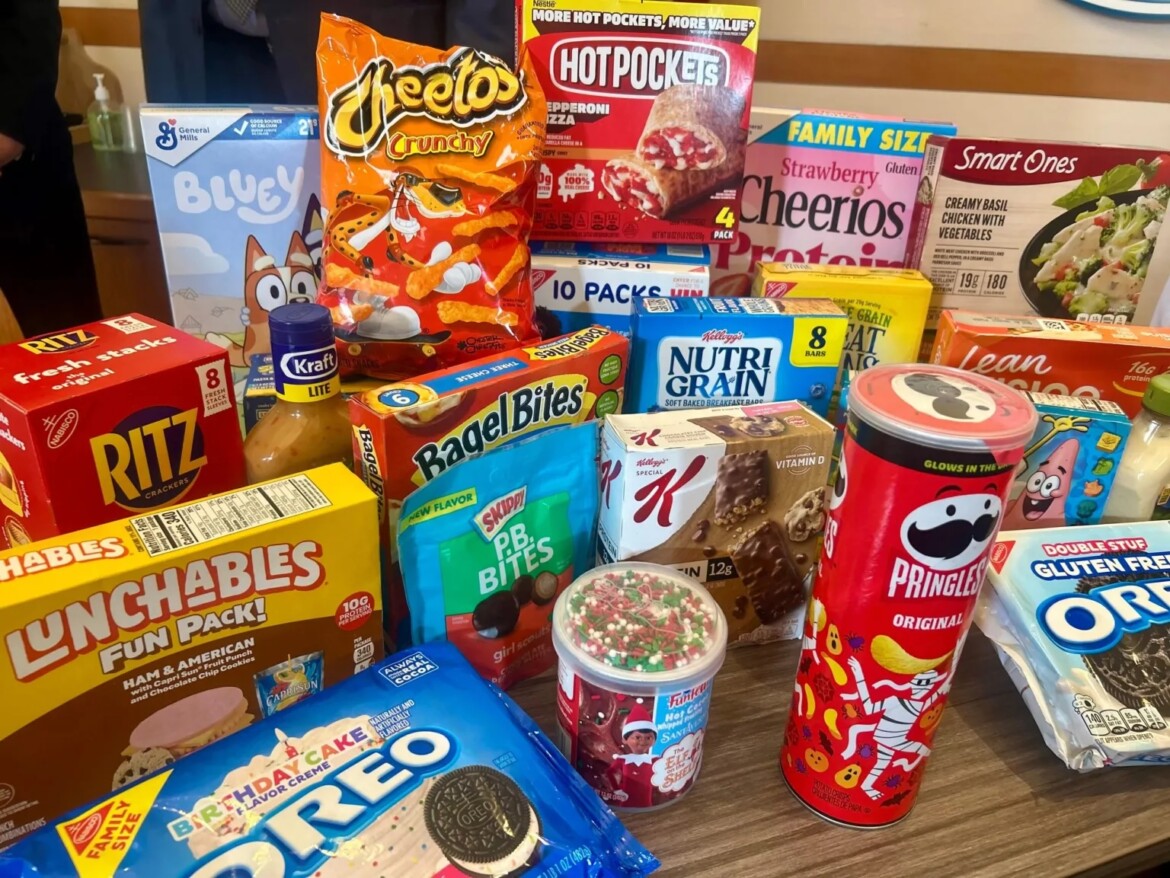
The study, published Wednesday in the American Journal of Public Health, focuses on Lunchables, the hugely successful and brightly packaged meals for kids. They contain food in separate compartments from well-known brands like Oscar Mayer and Kraft that happen to be highly processed. They are designed to be easy to pack for school lunches.
Lunchables hit the shelves for the first time in the 1980s by Kraft General Foods when they were owned by the tobacco giant then-called Philip Morris Companies Inc.
Researchers at UCSF analyzed internal documents made available during lawsuits faced by the tobacco industry, looking at the process of creating and marketing Lunchables.
“They used cigarette science to design these food products — science on how the brain processes flavors and what motivates consumers at the deepest levels,” said UCSF School of Medicine professor Laura Schmidt in a news release sent out Wednesday by the school. “They used it to design ultra-processed foods.”
Innovations like shelf-stable packaging benefited both the tobacco and food products Philip Morris made. This allowed them to produce large quantities faster and cheaper, according to the study.
When designing Low-Fat Lunchables, Philip Morris provided tobacco-industry neuroscience and flavor experts who ran sophisticated sensory tests on consumers, according to UCSF.
The study says that ultra-processed foods make up nearly two-thirds of the calories consumed by U.S. children. It says this has contributed to the country’s high rate of childhood obesity and metabolic diseases like type 2 diabetes.
Facing lawsuits and regulation, tobacco companies divested most of their food holdings by 2007 to focus on cigarettes. The study concludes that their methods had a lasting impact on the ultra-processed food industry.
The post UCSF study links tobacco industry to development of ultra-processed foods appeared first on Local News Matters.