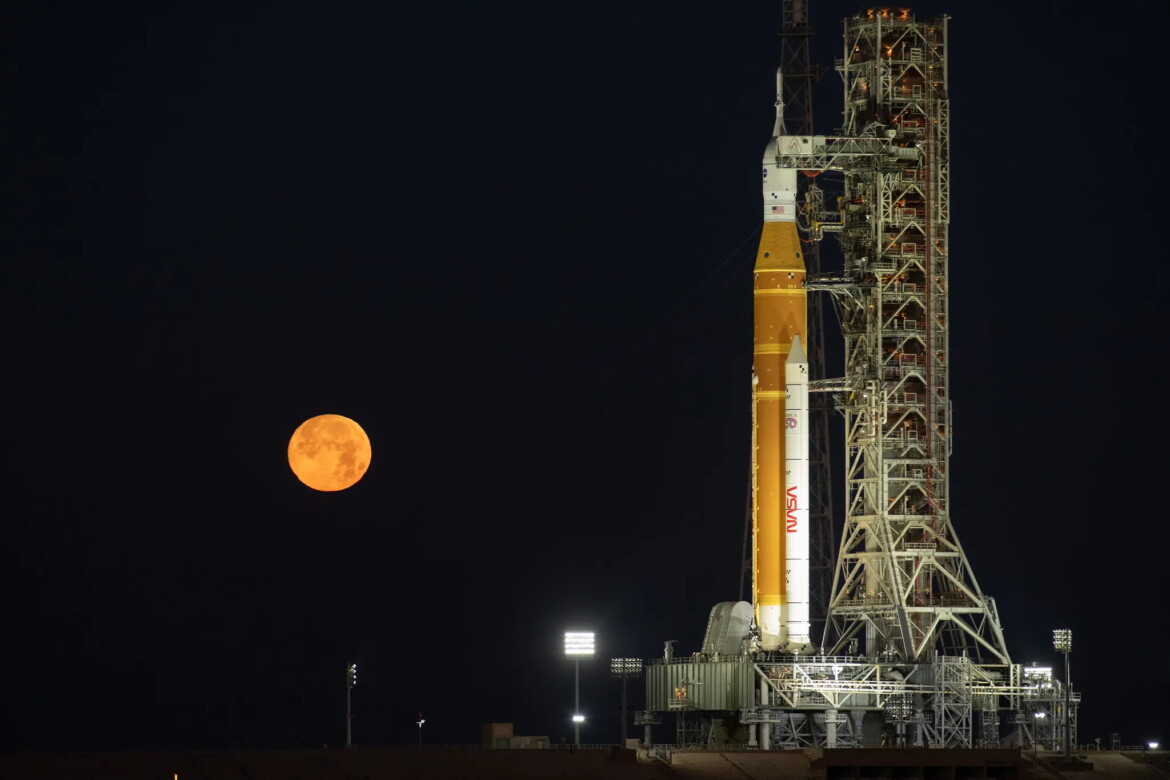
The Chabot Space and Science Center in Oakland hosted an event on Friday to celebrate the Artemis II mission ahead of the touchdown of the project’s astronauts. The crew of the Artemis II splashdown aboard the Orion capsule came at 5:07 p.m. local time off the coast of San Diego and was to be picked up by the U.S. Navy.
Scientists, families, and schoolchildren crowded the halls of the NASA Ames Visitor Center at Chabot to discuss the Artemis II technology, its scientific impact, and how they felt unified by the space-faring humans.
Cara Dodge works as an exhibition manager at the NASA Ames Research Center in Mountain View. She said Ames is the second oldest NASA center in the country, after Langley Field in Virginia, and has played an important role in making the Artemis II possible.
“This mission would not be possible without any of the NASA centers, and certainly not be possible without Ames,” Dodge said. “We’re this incredibly diverse center that makes all of these really cool missions happen, with really important detailed research to make sure that these missions fly the way that we want them to fly.”
Dodge eagerly greeted the dozens of students that were visiting the center on field trips with a giant smile on her face. She said she loved her job because she can show people they can be a part of NASA’s projects that can, at times, seem impossible.
“What I love about NASA is that it’s a real dream come true, made by real people who work here in the real Bay Area,” said Dodge. “We are this tiny little thread from this incredibly innovative, rich culture here in Northern California, and we have a little thread all the way to the moon.”
NASA engineer and Fremont resident Jayanta “Jay” Panda has worked with NASA for 36 years, specializing on vibroacoustic design on space vehicles. He said his job is to make sure the impact of vibrations from millions of parts on rockets, like Artemis II, are kept to minimum for safe travels.
Panda said he had always wanted to work for world-renowned science organization like NASA. He hopes future generations will be inspired to help work towards new advances in technology.
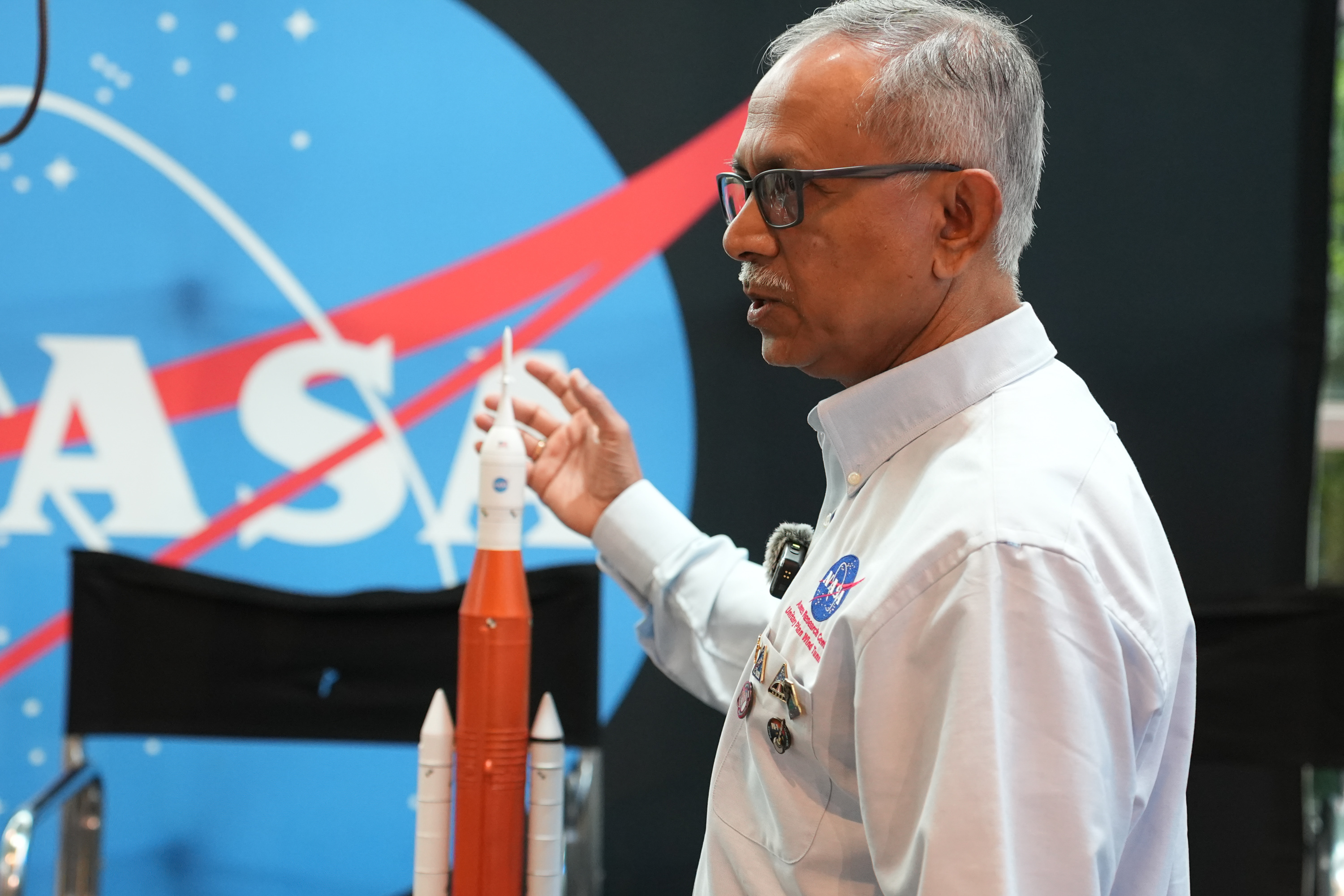
“We are going back (to the moon) after more than half a century and I feel I’m part of that great history making thing,” said Panda.
Parul Agrawal helped design the heat shield on the Orion capsule holding the four astronauts as they reenter Earth’s atmosphere. She was emotional to see her team’s hard work be celebrated after years of simulation testing at the Ames Research Center.
“Every day I get up and I feel happy that I’m working in my dream organization,” said Agrawal. “These are historic missions and we are going to change the way we look at our solar system. We are going to understand the moon in a way that we have never understood before.”
Agrawal said she hopes kids will see the mission and feel like they should not limit their imaginations.
“Our generation is looking at going back to the moon but the kids who less than 10 years old, I think they can think about visiting Mars,” said Agrawal.
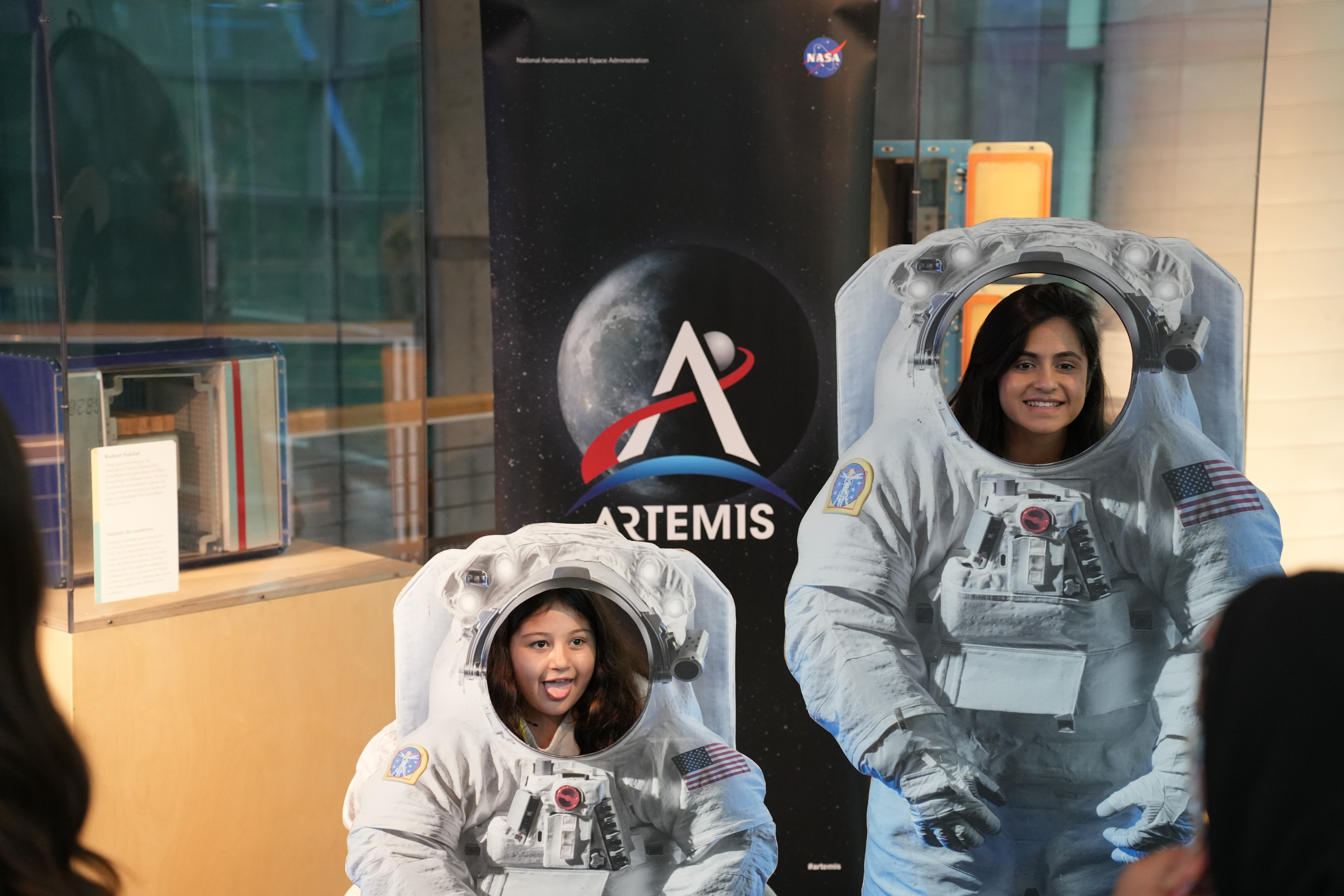
For 71 year-old Oakland resident Jeremy Harris, the support behind NASA’s latest mission reminded him of the unifying feeling during the space race in the 1960s and 70s — when he was a teenager.
“We are going back to the moon!” said Harris. “We have all this new technology and people who are willing to put their lives on the line and I feel like that is inspiring to not only me but others too.”
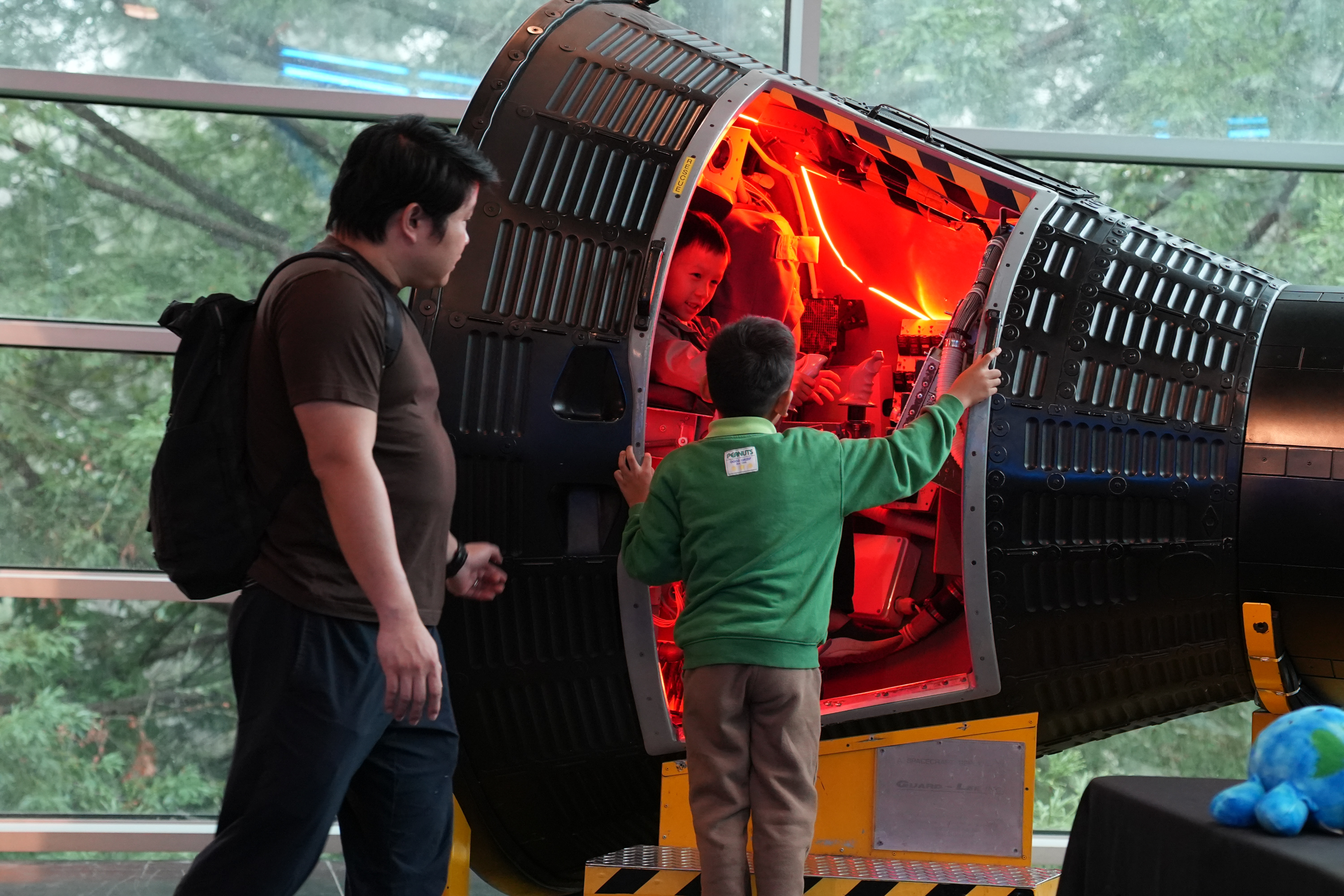
Monica Martinez and her daughter Sophia stepped inside a replica of the Project Mercury capsule, playing with the control stick and buttons. Monica was overjoyed to see her child’s eyes brighten when looking at the exhibits.
“This mission feels like a reminder that anyone can achieve great things if they put their mind to it,” said Martinez. “We all should be supporting each other and not trying to find things they separate us, but that show us what we have in common.”